The No-Show Problem Is Costing Your Agency More Than You Think

It starts with a phone call you never wanted to receive. A client's family member is on the line, upset and worried — their loved one's caregiver didn't show up, and no one called to explain why. You're scrambling to find a last-minute replacement, your scheduler is stressed, and your client's trust in your agency just took a serious hit.
Caregiver no-shows are one of the most persistent and damaging challenges in the home care industry. According to industry research, caregiver turnover rates in home care average between 40% and 60% annually, and no-shows and last-minute call-outs are a significant contributing factor to that instability. Every missed visit doesn't just disrupt a client's day — it erodes the reliability your agency's reputation depends on.
The good news? Smart caregiver scheduling software has transformed how modern agencies manage this problem. Instead of reacting to no-shows after they happen, forward-thinking agency owners are using technology to prevent them before they occur — and the results are showing up in both caregiver retention and client satisfaction scores.
Why Caregivers No-Show: Understanding the Root Causes

Before you can solve the no-show problem, you need to understand what's driving it. While some absences are genuinely unavoidable — illness, family emergencies, car trouble — many no-shows trace back to systemic issues that smart scheduling can directly address.
Scheduling Mismatches
When caregivers are assigned to clients who aren't a good fit — whether because of location, care needs, or personality — they're far more likely to disengage. A caregiver commuting 45 minutes to a two-hour shift isn't just inconvenienced; they're being set up to burn out. Over time, poor matches breed resentment and, eventually, no-shows.
Lack of Advance Notice
Caregivers who receive their schedules at the last minute are more likely to have conflicts, make other plans, or simply feel undervalued. Consistent, timely scheduling communicates respect — and respect is one of the most powerful retention tools available.
Inconsistent Hours and Unpredictable Shifts
Financial insecurity is a major stressor for caregivers. When hours fluctuate wildly week to week, caregivers often pick up side jobs to compensate — and those side jobs can conflict with home care shifts. Predictable scheduling isn't just a convenience; it's a lifeline for workers managing tight budgets.
Caregiver Burnout and Overloading
Overworked caregivers burn out faster. When scheduling is done manually or without visibility into workload distribution, it's easy for some caregivers to get overwhelmed while others go under-scheduled. Both situations breed disengagement.
What "Smart" Scheduling Actually Means
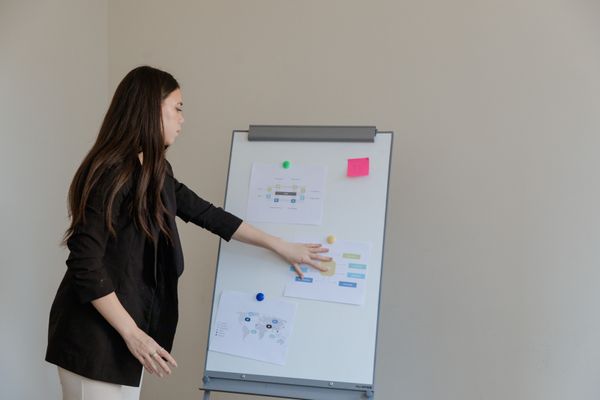
The term "smart scheduling" gets thrown around a lot, but what does it actually look like in practice for a home care agency? It goes well beyond just having a digital calendar. Truly intelligent home care scheduling uses data, automation, and caregiver-client matching to optimize every shift assignment.
Intelligent Caregiver-Client Matching
Smart scheduling platforms use criteria like caregiver skills, certifications, availability, geographic location, language preferences, and even past relationship history to recommend the best caregiver for each client. When the match is right, both parties are more satisfied — and the caregiver is more likely to show up consistently.
Automated Reminders and Confirmations
One of the simplest and most effective features of modern scheduling software is automated shift reminders. Sending caregivers a reminder 24 to 48 hours before a shift — via text, app notification, or email — dramatically reduces the "I forgot" no-show. It also creates an opportunity for caregivers to flag conflicts before the day of the visit, giving you time to find a replacement.
Real-Time Schedule Visibility
When caregivers can view their upcoming schedule anytime through a mobile app, they feel more in control of their work lives. This transparency reduces anxiety, prevents miscommunication, and empowers caregivers to plan ahead — all of which contribute to better attendance.
Open Shift Management
Smart systems allow agencies to broadcast open shifts to qualified caregivers instantly. Instead of playing phone tag to fill a last-minute opening, you can post the shift and let available caregivers claim it. This not only fills gaps faster but also gives caregivers who want extra hours an easy way to get them.
Conflict Detection and Overtime Alerts
Good scheduling software flags potential issues before they become problems — like a caregiver who's already approaching overtime, has a certified skill gap for a specific client need, or has been scheduled for back-to-back shifts with no travel time. Catching these conflicts in advance prevents both no-shows and compliance issues.
The Direct Link Between Scheduling and Client Satisfaction
Clients and their families don't just want care — they want consistent care. Research consistently shows that caregiver consistency is one of the top drivers of client satisfaction in home care. When clients see the same familiar face regularly, they build trust, they feel safer, and they experience better care outcomes.
Smart home care scheduling directly supports consistency in several important ways:
- Preferred caregiver assignments: Systems that track client preferences ensure that preferred caregivers are scheduled first when available.
- Reduced fill-in disruptions: When no-shows do happen, faster replacement workflows mean shorter gaps in care and less disruption for clients.
- Family visibility and communication: Family portals that show scheduled visits — and notify families of any changes — keep everyone informed and reduce anxiety.
- Accurate visit records: When scheduling is integrated with Electronic Visit Verification (EVV), families and care coordinators can confirm that visits happened as scheduled, building trust in your agency's reliability.
"Clients don't just hire a caregiver — they hire a relationship. When that relationship is consistent and dependable, satisfaction scores go up, referrals increase, and families stop looking for alternatives."
Practical Steps to Reduce No-Shows With Smarter Scheduling
Whether you're currently using manual scheduling, spreadsheets, or basic software, here are actionable strategies you can implement to start reducing no-shows today:
- Publish schedules at least two weeks in advance. The more notice caregivers have, the fewer scheduling conflicts arise. Make it a policy and a priority.
- Use automated reminders for every shift. Set up 48-hour and 24-hour reminders via SMS or app notifications. This one step alone can cut preventable no-shows significantly.
- Track no-show patterns and address them early. If a caregiver has missed two shifts in a month, that's a conversation to have now — not after the fourth no-show. Use your software's reporting tools to spot trends.
- Distribute hours fairly and transparently. Use your scheduling platform to monitor hour distribution across your team. Caregivers who feel they're being treated equitably are more engaged.
- Create a reliable on-call or backup caregiver pool. Always have a short list of reliable caregivers who have opted in for last-minute shifts. Smart software makes it easy to identify and contact them instantly.
- Reward attendance and reliability. Recognition goes a long way. Some agencies use caregiver rewards programs to incentivize punctuality and consistency — a small investment that pays off in retention and reduced no-shows.
- Solicit caregiver schedule preferences regularly. Conduct brief availability check-ins monthly. Caregivers whose preferences are respected are more committed to the shifts they accept.
How Technology Ties It All Together
Managing all of these strategies manually is exhausting — and frankly, impossible to do consistently at scale. That's where the right platform makes all the difference. Agencies that consolidate their scheduling, EVV, communication, and reporting into a single system gain a significant operational advantage.
Platforms like BridgeCare OS are designed specifically for home care agencies that are tired of duct-taping together spreadsheets, group texts, and disconnected tools. With built-in caregiver scheduling software, automated reminders, open shift management, EVV integration, and a family-facing portal all in one place, your team spends less time putting out fires and more time delivering great care.
The results agencies typically report after switching to smart scheduling technology include:
- Fewer last-minute call-outs due to proactive conflict detection
- Faster open shift fill times — sometimes within minutes
- Improved caregiver satisfaction scores from better schedule transparency
- Higher client satisfaction ratings tied to improved caregiver consistency
- Reduced administrative overtime spent manually managing schedules
The Business Case: What Reducing No-Shows Is Worth
Let's put a number on this. If your agency serves 50 active clients and experiences just two caregiver no-shows per week, that's over 100 disrupted visits per year. Each disrupted visit carries costs: administrative time to find a replacement (often 30-60 minutes per incident), potential client complaints, possible billing complications if a visit goes unfilled, and long-term attrition risk if clients lose confidence in your agency.
Even a 30% reduction in no-shows through smarter scheduling can translate into dozens of hours saved for your administrative team annually, stronger client retention rates, and a measurable improvement in your agency's reputation in the community. In a referral-driven business like home care, that reputation is everything.
Conclusion: Stop Reacting, Start Preventing
Caregiver no-shows will never be completely eliminated — life happens. But the difference between agencies that struggle with chronic attendance issues and those that have it under control almost always comes down to their scheduling systems and processes.
Smart home care scheduling isn't a luxury for large agencies with big budgets. It's a practical, affordable foundation that any agency can build on — one that protects your clients, respects your caregivers, and gives your administrative team their time back.
If you're ready to move beyond spreadsheets and reactive scheduling, try BridgeCare OS free for 14 days — no setup fees, no contracts, and no reason to wait. Your clients and your caregivers will both notice the difference.
Keep Reading
How Smart Scheduling Reduces Caregiver No-Shows and Improves Client Satisfaction
Discover how caregiver scheduling software can reduce no-shows, improve continuity of care, and boost client satisfaction in home care agencies.
How Smart Scheduling Reduces Caregiver No-Shows and Improves Client Satisfaction
Learn how caregiver scheduling software cuts no-shows, strengthens continuity, and boosts client satisfaction for home care agencies.

Client-Caregiver Matching: The Art and Science of Getting It Right
Learn how to master client-caregiver matching in your home care agency with proven strategies, smart processes, and modern tools.
How BridgeCare OS handles this
Scheduling is where overtime, caregiver churn, and client satisfaction are all quietly decided.
- Home care scheduling software: drag-and-drop with smart matching, overtime guards, and open-shift broadcast
- Home care staffing technology: recruiting, credentials, scheduling, and retention on one caregiver record
- Mobile caregiver app: caregivers accept open shifts and set availability themselves
Ready to modernize your home care agency?
BridgeCare OS unites scheduling, EVV, billing, and family transparency on one platform. Start your 14-day free trial — no credit card required.
Start Free Trial →