Best Practices for Care Plan Documentation That Keeps Everyone Aligned
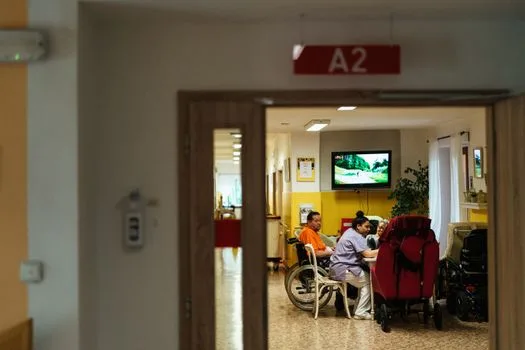
In home care, a care plan is more than a checklist. It is the shared roadmap that tells caregivers, schedulers, nurses, office staff, and family members what each client needs and how to deliver it consistently. When care plan documentation is unclear, outdated, or hard to access, the result is confusion, missed tasks, billing issues, and avoidable risk.
That is why strong home care documentation is one of the most important operational habits an agency can build. It helps everyone stay aligned, supports better outcomes for clients, and creates a defensible record if questions come up later. In a market where agencies are expected to do more with fewer resources, documentation should not slow your team down. It should make the work easier.
Below, we will cover practical best practices for care plan documentation that help your team stay on the same page, reduce errors, and deliver more consistent care.
Why Care Plan Documentation Matters

A care plan should do three things well: communicate the client’s needs, guide daily care delivery, and create accountability across your agency. If any of those pieces are missing, your staff may be forced to rely on memory, assumptions, or scattered notes.
According to a 2023 study published by the National Institutes of Health, poor communication is a major contributor to care coordination failures across healthcare settings. In home care, those breakdowns can happen quickly because care often involves multiple caregivers, changing schedules, and family members who want regular updates.
Good care plan documentation helps you:
- Reduce missed tasks and inconsistent care
- Support better caregiver performance and onboarding
- Improve communication between office staff and field teams
- Strengthen compliance and audit readiness
- Make billing and EVV records easier to defend
- Build trust with families through clearer updates
Start with a Clear, Client-Centered Assessment

Strong documentation starts before the plan is written. If the assessment is incomplete, the care plan will be incomplete too. Make sure your intake and assessment process captures the real-life details that shape care delivery.
Include the details that matter most
- Primary diagnoses and relevant medical history
- Functional limitations and mobility needs
- Medication support requirements
- Dietary restrictions and swallowing concerns
- Personal care preferences and routines
- Behavioral concerns, cognitive issues, or safety risks
- Family involvement and emergency contacts
- Language, cultural, or communication preferences
The more complete the assessment, the easier it is to create a plan that actually works in the home. Avoid vague statements like “needs help with ADLs” without specifying exactly what help is needed and when.
Write in Plain Language, Not Clinical Jargon
One of the most common mistakes in home care documentation is writing for auditors instead of writing for the people who must use the plan every day. Caregivers should be able to understand the instructions quickly, even during a busy shift.
Use simple, direct language:
- Say “assist with shower transfer using gait belt” instead of “provide mobility support”
- Say “remind client to take morning medications” instead of “medication compliance support”
- Say “prepare soft foods and monitor for choking” instead of “dietary supervision”
This is not about dumbing things down. It is about making sure the person delivering care knows exactly what to do. Clear language reduces guesswork and improves consistency across shifts.
Make the Plan Specific Enough to Guide Action
A good care plan answers the practical questions caregivers have in the field: What should I do? How often? In what order? What should I watch for?
Too many plans are written in broad categories that leave too much room for interpretation. To improve care plan documentation, each task should be specific and measurable.
Weak vs. strong documentation examples
- Weak: Help with meals
Strong: Prepare lunch, ensure low-sodium diet, and document appetite changes - Weak: Support personal hygiene
Strong: Assist with sponge bath every Tuesday and Friday, focus on lower-body hygiene - Weak: Monitor safety
Strong: Keep walker within reach, clear hallway clutter, and assist with all transfers
Specific instructions reduce interpretation errors and help new caregivers ramp up faster. They also make it easier for supervisors to spot when care is not being delivered as planned.
Keep the Care Plan Updated in Real Time
One of the biggest challenges in home care documentation is version control. A client’s condition can change quickly, and if the care plan is not updated right away, staff may continue following outdated instructions.
Best practice is to update care plans whenever there is a meaningful change, such as:
- A hospital discharge
- A fall or safety incident
- A change in medication or mobility status
- New family concerns or schedule changes
- Updated physician orders or client goals
Use a single source of truth so every team member sees the same current version. Paper notes, email threads, and text messages create confusion fast. A centralized system helps prevent caregivers from working off old instructions.
For agencies looking to simplify this process, BridgeCare OS offers a centralized platform for scheduling, documentation, and care coordination, so teams can stay aligned without chasing down multiple versions of the same information. Learn more at BridgeCare OS.
Document the “Why” Behind the Care, Not Just the Task
Tasks are important, but context matters too. When caregivers understand why a task is in the care plan, they are more likely to follow it correctly and notice changes that matter.
For example:
- “Client becomes short of breath when walking more than 20 feet” gives more context than “assist with ambulation”
- “Client refuses showering unless caregiver explains each step” helps staff approach the task more effectively
- “Family requests daily update after dinner” clarifies communication expectations
Context also helps when a substitute caregiver steps in. Instead of simply seeing a task list, they can understand the client’s routines, sensitivities, and preferred approach.
Standardize Your Documentation Format
If every caregiver documents differently, your office team will spend too much time decoding notes. A standard format improves clarity and makes review easier.
Consider building templates that include:
- Client goals
- Daily care tasks
- Safety precautions
- Red flags to report
- Family communication instructions
- Escalation steps for urgent issues
Templates are especially useful for agencies with high turnover or multiple branches. They help maintain quality even as staff changes. Good home care documentation should feel consistent from one case manager to the next and from one shift to the next.
Train Caregivers to Use the Plan Correctly
Even the best documentation will fail if caregivers are not trained to use it. New hires need more than a quick overview. They need hands-on guidance on how to read the plan, where to find updates, and what to do if the plan conflicts with what they see in the home.
Train on these essentials
- How to find the current care plan
- How to document tasks accurately after each visit
- What counts as a change in condition
- When and how to escalate concerns
- How to communicate with family members appropriately
Training should not stop after orientation. Refreshers during staff meetings and periodic audits help keep documentation habits strong over time.
Use Documentation to Support Communication Across the Team
Care plan documentation should help everyone work together, not just serve as a record for compliance. Office staff, schedulers, field supervisors, and caregivers all need different pieces of information from the same plan.
When the documentation is structured well, it can help your team answer questions like:
- Does this caregiver have the skills needed for this client?
- Are there tasks that should be assigned only to certain staff?
- Has the family requested a change in routine?
- Did the caregiver report a new issue that needs follow-up?
This is where modern software can make a major difference. BridgeCare OS combines scheduling, EVV, billing, family portal access, and AI-driven insights in one place, helping reduce the gaps that often happen when documentation lives across too many systems. If you are exploring a simpler workflow, you can start a free 14-day trial.
Audit Documentation Regularly
You cannot improve what you do not review. Regular audits help you catch inconsistencies before they turn into bigger problems.
During audits, look for:
- Missing details in care plans
- Outdated instructions after condition changes
- Gaps between the care plan and visit notes
- Repeated caregiver confusion about tasks
- Family complaints tied to communication breakdowns
Consider auditing a sample of cases each month and using the results for coaching. The goal is not to punish staff. The goal is to make documentation easier to use and more reliable over time.
Connect Documentation to Compliance and Billing
Good care plan documentation is not just an operations issue. It also affects compliance and revenue. If the plan, visit notes, and billing records do not align, your agency may face claim delays, denials, or audit risk.
Make sure your documentation clearly supports:
- What services were authorized
- What services were delivered
- When the visit occurred
- Who provided the care
- Whether exceptions or incidents were recorded
Strong documentation creates a cleaner trail from intake to service delivery to invoicing. That is especially important for agencies balancing private pay, Medicaid, and other payer requirements.
Practical Checklist for Better Care Plan Documentation
If you want a quick way to evaluate your current process, use this checklist:
- Does every client have a current, complete care plan?
- Is the plan written in plain language?
- Are tasks specific enough to guide caregivers in the home?
- Is the plan updated after changes in condition or routine?
- Do caregivers know where to access the latest version?
- Are notes and schedules aligned with the plan?
- Are family communication expectations documented?
- Do supervisors review documentation regularly?
If you answered “no” to several of these questions, there is likely room to improve both consistency and efficiency.
Final Thoughts
Reliable care plan documentation is one of the simplest ways to improve alignment across your home care agency. When the plan is clear, specific, current, and easy to access, caregivers can deliver better care, families feel more confident, and office staff spend less time fixing avoidable mistakes.
The best documentation process is not the most complicated one. It is the one your team actually uses consistently. If you are ready to streamline home care documentation and bring scheduling, EVV, and communication into one modern workflow, BridgeCare OS can help you get there.
Keep Reading

Care Plan Documentation Best Practices for Home Care Agencies
Learn how better care plan documentation keeps caregivers, families, and clients aligned — and reduces risk for your home care agency.
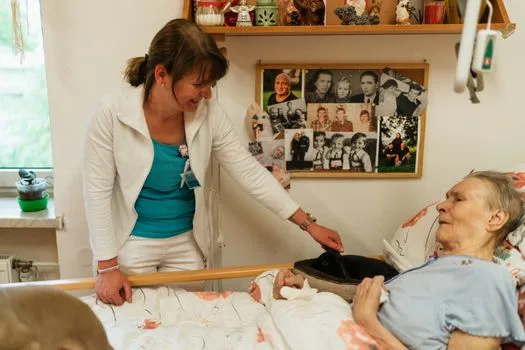
Best Practices for Care Plan Documentation That Keeps Everyone Aligned
Learn best practices for care plan documentation that improve communication, reduce errors, and keep caregivers, families, and clinicians aligned.
Best Practices for Care Plan Documentation That Keeps Everyone Aligned
Learn best practices for care plan documentation that improve communication, reduce errors, and keep caregivers, families, and office teams aligned.
Ready to modernize your home care agency?
BridgeCare OS unites scheduling, EVV, billing, and family transparency on one platform. Start your 14-day free trial — no credit card required.
Start Free Trial →