When a care plan is unclear, everything slows down. Caregivers hesitate, families get frustrated, and agency owners end up dealing with avoidable errors, missed tasks, and communication gaps. In home care, strong care plan documentation is not just a compliance requirement — it is the foundation that keeps everyone aligned around the client’s needs, goals, and daily support.
For agency owners and administrators, the challenge is not simply creating a care plan. It is making sure that plan is accurate, easy to follow, consistently updated, and accessible to the people who need it most. Good home care documentation turns a plan from a static file into a practical tool that improves care quality and reduces operational strain.
According to the CDC, most older adults live with at least one chronic condition, and many have multiple health needs that can change quickly over time. That means care plans cannot be vague or outdated. They need to reflect real-world conditions, caregiver responsibilities, and family expectations so the entire care team can move in the same direction.
Why care plan documentation matters more than most agencies realize

Care plan documentation is often treated as an administrative task, but it directly affects outcomes. A well-documented plan helps caregivers know exactly what to do, reduces missed services, and creates a reliable record for internal review, billing support, and compliance.
When documentation is weak, agencies face the opposite:
- Confusion about routines, safety needs, and client preferences
- Inconsistent care between shifts or caregivers
- Gaps in communication with families and coordinators
- Higher risk of incidents, complaints, and service delays
- More time spent fixing mistakes instead of improving care
Strong documentation is especially important in home care because services happen outside a controlled setting. Every home is different, every client situation is unique, and every caregiver may interpret instructions differently unless the plan is clearly written and regularly updated.
Best practice 1: Make the care plan specific, not generic

One of the most common documentation mistakes is using broad language that leaves too much open to interpretation. Phrases like “assist with hygiene as needed” or “monitor for safety” may sound reasonable, but they do not tell caregivers what action to take or what success looks like.
Better documentation gives clear direction. For example, instead of “assist with meal prep,” write:
Prepare breakfast daily between 8:00 and 8:30 a.m. Client requires soft foods due to chewing difficulty. Confirm food is cut into bite-sized pieces and remind client to drink water with meals.
This level of detail helps caregivers work confidently and consistently. It also makes it easier for supervisors to evaluate whether the client is receiving the right support.
What to include in a strong care plan
- Client goals and priorities
- Specific daily tasks and care routines
- Safety concerns and fall risks
- Medication reminders or observation needs
- Mobility assistance requirements
- Dietary restrictions and preferences
- Communication instructions for family or staff escalation
Best practice 2: Use plain language that caregivers can actually follow

Care plan documentation should be professional, but it should not be overly clinical or filled with jargon. Many caregivers are skilled and experienced, but they are not there to decode complicated notes. The easier the language, the more likely the plan will be followed correctly.
For example, instead of writing “ambulate with assistance PRN,” say “help client walk with walker from bedroom to bathroom and stay within arm’s reach to prevent falls.”
Plain language reduces confusion, supports training, and lowers the chance of missed instructions. It is especially important when new caregivers are assigned or when agencies serve clients with changing conditions.
Best practice 3: Build the documentation around the client’s real routine
A care plan works best when it reflects how the client actually lives day to day. That means documenting the times, preferences, habits, and environmental details that shape care delivery.
For example, two clients may both need meal assistance, but one prefers breakfast at 7 a.m. and the other does not eat until after morning medication. One may need help getting out of a recliner, while another only needs verbal reminders. If the plan does not reflect those differences, caregivers are left guessing.
To keep care plan documentation practical, include:
- Preferred wake-up and bedtime routines
- Meal timing and food preferences
- Bathroom, shower, or grooming routines
- Family contact preferences
- Home layout details that affect mobility or safety
- Known triggers, routines, or comfort strategies
This approach improves continuity of care and makes transitions between caregivers smoother.
Best practice 4: Assign responsibilities clearly
Every care plan should make it obvious who is responsible for what. In home care, accountability matters. If one person assumes another team member already handled a task, the client can miss essential support.
Clarity should extend to caregivers, schedulers, nurses, supervisors, and office staff. For example:
- Which tasks are caregiver responsibilities?
- What must be reported to the office immediately?
- Which changes require RN review or updated authorization?
- Who updates the family if the care plan changes?
Clear responsibility reduces overlap, prevents delays, and helps agencies operate more efficiently. It also makes it easier to audit performance and identify breakdowns in communication.
Best practice 5: Keep care plans updated as needs change
A care plan is only useful if it stays current. Clients may recover, decline, develop new needs, or experience changes after a hospitalization, fall, medication adjustment, or family request. If the documentation does not reflect those changes, the agency risks delivering outdated care.
Schedule regular reviews and update the plan whenever there is a meaningful change in condition or service needs. In practice, that means looking for signs such as:
- New mobility limitations
- Increased confusion or memory concerns
- Changes in appetite or swallowing
- New safety risks at home
- Shift in family involvement or expectations
- Repeated caregiver notes that reveal a pattern
Updated care plan documentation helps everyone stay aligned and reduces the risk of service mismatches. It also supports better continuity if a caregiver call-out forces a last-minute replacement.
Best practice 6: Connect the plan to daily caregiver notes
One of the strongest ways to improve home care documentation is to make sure the care plan and daily notes reinforce each other. If the care plan says a client needs help with transfers, caregiver notes should reflect whether that assistance occurred and whether anything changed.
When the plan and the visit documentation align, supervisors can quickly spot issues such as:
- Tasks that are being skipped
- Client changes that need follow-up
- Repeated safety concerns
- Unclear instructions that need revision
This creates a feedback loop that strengthens care quality. It also makes audits, quality reviews, and billing support easier because the record tells a consistent story.
Best practice 7: Make the documentation accessible to the right people
If the care plan is buried in filing cabinets, scattered across emails, or stored in too many disconnected systems, alignment becomes difficult. The right people need the right information at the right time.
That means caregivers should be able to access current instructions quickly, and office staff should be able to review updates without wasting time chasing paper files or asking around for the latest version. Families should also have a clear path to understand care expectations when appropriate.
Modern home care agencies often rely on digital tools to centralize this process. Platforms like BridgeCare OS can help agencies keep scheduling, documentation, EVV, and communication in one place, which makes it easier to maintain accurate care plan documentation and reduce avoidable miscommunication.
Best practice 8: Include family communication guidance
Families are often deeply involved in care, even when they are not managing services directly. That is why good care plans should include communication expectations. This helps set boundaries, reduce confusion, and avoid mixed messages between staff and family members.
Document things like:
- Who the primary family contact is
- What updates should be shared and when
- Which concerns require immediate escalation
- Any family preferences that affect the schedule or routine
When families know what to expect, trust improves. They also feel more confident that the agency is organized and attentive.
Best practice 9: Train caregivers on how to use the plan
Even the best-written care plan will fall short if caregivers are not trained to use it properly. Agencies should make onboarding and ongoing training part of the documentation process, not an afterthought.
Caregivers should understand how to:
- Read the plan before each shift
- Identify required versus optional tasks
- Document concerns or changes accurately
- Escalate issues according to agency policy
- Respect client preferences and safety requirements
Training strengthens consistency across shifts and helps new staff get up to speed quickly. It also reduces the temptation to rely on verbal handoffs alone, which are easy to forget or misunderstand.
Best practice 10: Use technology to reduce documentation errors
Manual documentation processes create room for missed updates, duplicate entries, and version confusion. A modern platform can help agencies standardize care plan documentation, keep records organized, and provide better visibility into what is happening in the field.
Look for tools that support:
- Centralized client records
- Real-time updates and version control
- Scheduling tied to client needs
- Visit verification and EVV support
- Secure access for staff and approved family members
- Reporting that highlights trends or risks
BridgeCare OS was built for agencies that want a more modern, affordable way to manage home care documentation without the complexity and cost of older systems. It combines scheduling, EVV, billing, family portal access, HIPAA-conscious workflows, and AI insights so your team can stay aligned without juggling multiple tools.
Common documentation mistakes to avoid
To keep everyone aligned, it helps to know what undermines care plan quality. Avoid these common issues:
- Using vague terms like “as needed” without clear guidance
- Copying and pasting old plans without review
- Leaving out safety risks or home-specific details
- Failing to update the plan after a condition change
- Writing notes that do not match the actual care plan
- Keeping information in too many places
Each of these mistakes can create disconnects between office staff, caregivers, and families. Over time, those disconnects lead to higher workloads and lower confidence in the agency.
A simple care plan documentation workflow for agencies
If your agency wants better consistency, create a repeatable workflow that every team member follows. A basic structure might look like this:
- Complete the initial assessment and gather client preferences
- Write the care plan using specific, plain language
- Review the plan internally for accuracy and completeness
- Assign responsibilities and update the schedule accordingly
- Train caregivers before the first shift
- Monitor visit notes for patterns or gaps
- Update the plan whenever the client’s needs change
A simple workflow like this creates consistency across clients and reduces the chance that important information slips through the cracks.
Conclusion
Strong care plan documentation is one of the easiest ways to improve communication, reduce risk, and keep caregivers, families, and office teams aligned. The best plans are specific, clear, current, and tied to the reality of day-to-day care. When agencies treat documentation as a living part of service delivery, everything runs more smoothly.
If you are ready to simplify home care documentation and keep your team on the same page, a modern platform can make a big difference. BridgeCare OS helps agencies centralize care, communication, and operations so nothing gets lost in the shuffle.
Keep Reading
Best Practices for Care Plan Documentation That Keeps Everyone Aligned
Learn best practices for care plan documentation in home care, including compliance, clarity, and coordination tips to keep care teams aligned.

Care Plan Documentation Best Practices for Home Care Agencies
Learn how better care plan documentation keeps caregivers, families, and clients aligned — and reduces risk for your home care agency.
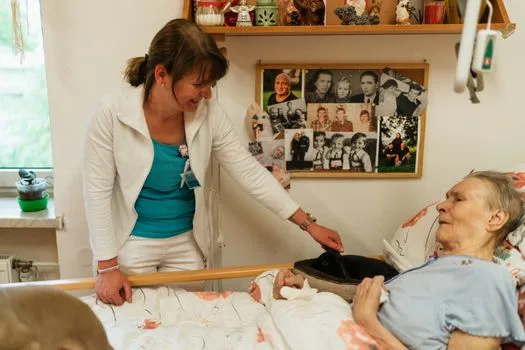
Best Practices for Care Plan Documentation That Keeps Everyone Aligned
Learn best practices for care plan documentation that improve communication, reduce errors, and keep caregivers, families, and clinicians aligned.
Ready to modernize your home care agency?
BridgeCare OS unites scheduling, EVV, billing, and family transparency on one platform. Start your 14-day free trial — no credit card required.
Start Free Trial →