Is Your Care Plan Documentation Actually Keeping Everyone on the Same Page?

Picture this: A caregiver arrives at a client's home and isn't sure whether the client's medication schedule changed after last week's nurse assessment. They call the office. The coordinator pulls up a paper file — or worse, digs through a chain of text messages — and spends 15 minutes tracking down the answer. Meanwhile, the client waits. The family worries. And billable time ticks away.
This scenario plays out in home care agencies across the country every single day. And in almost every case, the root cause is the same: poor care plan documentation.
Care plan documentation isn't just a regulatory checkbox. It's the central nervous system of your entire operation. When it works well, every caregiver shows up informed, every family feels confident, and every coordinator spends their time on high-value work instead of playing detective. When it breaks down, the consequences range from frustrated clients to compliance violations to billing errors that cost you thousands.
The good news? With the right practices in place, care plan documentation can become one of your agency's greatest strengths. Here's how to build a documentation system that actually keeps everyone aligned.
Why Care Plan Documentation Is So Often Broken

Before we talk about solutions, it's worth understanding why care plan documentation fails in the first place. Most agencies don't have a documentation problem because they don't care — they have one because the processes and tools they're using weren't built for the realities of home care.
Common culprits include:
- Outdated or paper-based systems that make version control nearly impossible
- Siloed communication where nurses, coordinators, and caregivers each have pieces of the puzzle but no shared view
- Inconsistent update workflows — there's no standard process for when or how plans get revised
- Caregiver onboarding gaps that leave field staff unclear on what to read before a visit
- No accountability loop — nobody knows if a caregiver actually reviewed the care plan before showing up
According to the Home Care Association of America, care coordination failures are among the top reasons for adverse events in home-based care settings. Proper documentation is the foundation of coordination — which is why getting it right matters so much.
The Core Elements Every Care Plan Should Include

A care plan is only as useful as the information it contains. Before optimizing your documentation process, make sure your care plans themselves are comprehensive. Every care plan should include the following essential components:
1. Client Demographics and Emergency Contacts
This seems obvious, but it's often incomplete. Include the client's full name, address, date of birth, primary diagnosis, emergency contacts, and the names of any other healthcare providers involved in their care (primary physician, specialists, case managers).
2. Detailed Service and Task Instructions
Vague instructions like "assist with bathing" leave too much room for interpretation. Be specific: "Assist client with full shower three times per week (Monday, Wednesday, Friday). Client can stand independently but requires hands-on assist for washing hair and lower extremities. Uses grab bar on the left side of shower."
The more specific your task descriptions, the less your caregivers have to guess — and the less likely they are to make mistakes.
3. Medication Information
Include a full medication list with dosages, timing, and administration notes. Clearly flag whether the caregiver is authorized to administer medications or only to remind the client to take them — this distinction is critical for scope-of-practice compliance.
4. Health Conditions and Precautions
Document relevant diagnoses, allergies, fall risk levels, dietary restrictions, and behavioral considerations. If a client has dementia and becomes agitated when woken before 8 a.m., that needs to be in the care plan — not passed along verbally through a game of telephone.
5. Goals and Outcomes
What are we trying to achieve for this client? Whether it's maintaining independence in the home, recovering from surgery, or managing a chronic condition, goals give caregivers context and purpose. They also help your agency demonstrate value during reassessments and family conversations.
6. Communication Preferences
Note how the client and family prefer to receive updates. Do they want a daily check-in call? Do they use a family portal to review visit notes? Do they prefer text? This section sets expectations and reduces the flood of inbound calls to your office.
Best Practices for Keeping Care Plans Current and Accurate
Creating a thorough care plan at intake is only half the battle. The real challenge is keeping it updated as the client's needs evolve. Here are the practices that separate agencies with excellent documentation from those constantly playing catch-up.
Establish a Clear Review and Update Protocol
Every agency should have a written policy that defines when care plans must be reviewed and updated. At minimum, best practice standards recommend:
- A full review every 60–90 days
- An immediate update following any significant change in the client's condition
- An update after any hospitalization or ER visit
- A revision whenever the authorized hours or service scope changes
Without a protocol, updates happen inconsistently — usually only when something goes wrong. With a protocol, your team knows exactly when action is required.
Assign Documentation Ownership
Someone needs to "own" each care plan. In most agencies, this is the supervising RN or a care coordinator. That person is responsible for initiating updates, reviewing caregiver notes for red flags that might signal a needed change, and ensuring families are informed of revisions.
When documentation ownership is unclear, updates fall through the cracks. Clarity here isn't bureaucracy — it's accountability.
Use a Centralized, Digital Platform
Paper binders and spreadsheets simply cannot keep up with the dynamic nature of home care. A centralized digital platform ensures that when a care plan is updated, every caregiver, coordinator, and family member who needs to see it has instant access to the most current version.
Platforms like BridgeCare OS store all care plan documentation in a single, HIPAA-compliant system — so your caregivers in the field always have the latest instructions on their phones, and your coordinators can push updates in real time without worrying about who has the old version of a paper form.
Build in Caregiver Acknowledgment
One of the biggest gaps in home care documentation is the assumption that because something is documented, caregivers have read it. Build a formal acknowledgment step into your process — require caregivers to confirm they've reviewed care plan updates before their next visit. This protects your clients, protects your caregivers, and protects your agency in the event of a complaint or audit.
Connect Caregiver Visit Notes Back to the Care Plan
Daily visit notes shouldn't exist in a vacuum. When caregivers document what happened during a visit, that information should be reviewed in the context of the care plan. Did the client refuse the shower? Is that a new behavior? Does the care plan need to be updated to reflect a change in the client's preferences or condition?
This feedback loop — from visit notes back to care plan — is how proactive agencies catch problems early instead of reacting after a crisis.
Keeping Families Aligned Through Documentation
Families are an underutilized resource in home care documentation. When families are in the loop, they often catch changes in their loved one's condition before the care team does. And when they're left out, they become your most vocal source of complaints and dissatisfaction.
Here are practical ways to keep families aligned:
- Share care plans with families at intake and after any significant update. Many families don't realize they can and should have a copy.
- Give families visibility into visit notes so they can see what happened during each visit without having to call the office.
- Create a channel for family input. Families notice things. If a client's appetite has dropped off or they seem more confused than usual, families need an easy way to flag that to the care team.
- Use a family portal to provide real-time transparency. When families can log in and see that the 9 a.m. visit started on time and completed all scheduled tasks, your phone rings a lot less.
"The agencies that have the best relationships with families are the ones who communicate proactively — before the family has to ask. Documentation is how you do that at scale."
Documentation That Supports Compliance and Billing
Beyond alignment, strong care plan documentation is your best defense in a compliance audit — and your foundation for accurate billing. Medicaid and many private payer programs require documentation that demonstrates services were authorized, delivered as planned, and appropriate for the client's needs.
Weak documentation can lead to:
- Claim denials and delayed reimbursements
- Audit findings that require repayment of funds
- State licensing issues or corrective action plans
- Liability exposure if an adverse event occurs and documentation doesn't support the care provided
Strong care plan documentation, connected to your scheduling and billing systems, creates a clear audit trail that shows payers and regulators exactly what was authorized, what was delivered, and why. Agencies using an integrated platform like BridgeCare OS benefit from having EVV data, care plans, visit notes, and billing records all connected — dramatically reducing the risk of documentation gaps that trigger compliance issues.
Building a Documentation Culture in Your Agency
Tools and protocols matter, but culture matters more. If your team doesn't understand why good documentation is important — or if they see it as administrative busywork rather than a critical part of quality care — your best-laid systems will fall apart.
Here's how to build a documentation-first culture:
- Train caregivers on the "why," not just the "how." When caregivers understand that their visit notes directly impact the client's care plan and that their observations can catch health changes early, documentation becomes meaningful rather than mechanical.
- Recognize caregivers who document well. Call out great examples in team meetings. Make it clear that thorough documentation is a mark of professionalism.
- Make documentation easy. If your caregivers have to navigate a clunky app or fill out lengthy paper forms after a long shift, documentation quality will suffer. The easier you make it to document in the moment, the better your compliance rates will be.
- Lead by example. When coordinators and supervisors treat care plan documentation as a priority, caregivers follow suit.
Final Thoughts: Documentation Is Care Quality
The best home care agencies understand that documentation isn't separate from quality care — it is quality care. A well-documented care plan is how you deliver consistent, personalized service across dozens or hundreds of clients and caregivers. It's how you protect your clients when something goes wrong. It's how you demonstrate your value to families, payers, and regulators.
Start by auditing your current care plans against the elements outlined above. Identify where your update process breaks down. And invest in the tools and culture that make excellent documentation the standard — not the exception.
If you're ready to bring your care plan documentation into one modern, connected system, explore what BridgeCare OS can do for your agency with a free 14-day trial — no setup fees, no contracts, no risk.
Keep Reading

Best Practices for Care Plan Documentation That Keeps Everyone Aligned
Learn best practices for care plan documentation that improve communication, reduce errors, and keep caregivers, families, and office teams aligned.
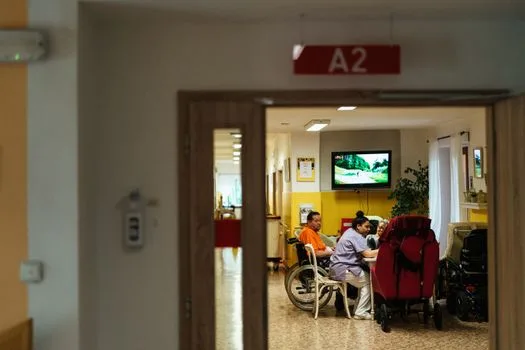
Best Practices for Care Plan Documentation That Keeps Everyone Aligned
Learn best practices for care plan documentation in home care to improve consistency, compliance, and team communication across every shift.
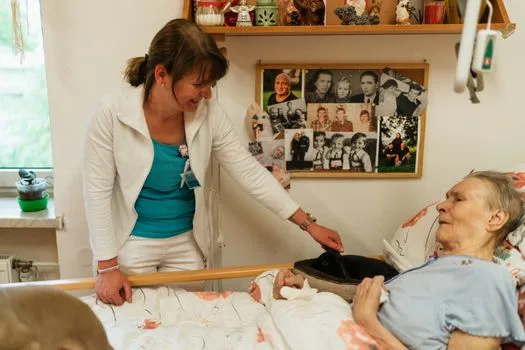
Best Practices for Care Plan Documentation That Keeps Everyone Aligned
Learn best practices for care plan documentation that improve communication, reduce errors, and keep caregivers, families, and clinicians aligned.
How BridgeCare OS handles this
BridgeCare OS runs the whole agency on one platform rather than four stitched together.
- All features: scheduling, EVV, billing, CRM, recruiting, reporting, and the family portal
- Homecare claims software with audit support: pre-bill audits and an exportable audit trail
- Home care staffing technology: from applicant to filled shift on one caregiver record
Ready to modernize your home care agency?
BridgeCare OS unites scheduling, EVV, billing, and family transparency on one platform. Start your 14-day free trial — no credit card required.
Start Free Trial →