Best Practices for Care Plan Documentation That Keeps Everyone Aligned

In home care, a care plan is more than a document—it’s the roadmap that keeps caregivers, families, nurses, and office staff moving in the same direction. When care plan documentation is clear, current, and easy to follow, clients receive more consistent care, caregivers feel more confident, and agencies reduce costly mistakes.
But when documentation is incomplete, outdated, or scattered across paper notes and disconnected systems, the result is usually the same: confusion, missed tasks, compliance risks, and frustrated families. In a field where every visit matters, strong home care documentation is one of the simplest ways to improve outcomes and protect your agency.
According to the National Association for Home Care & Hospice, millions of Americans rely on home-based care each year, and the demand continues to grow as families seek support for aging loved ones. With that growth comes greater pressure on agencies to document care accurately and consistently. The good news? Better documentation does not have to mean more complexity. It means creating a process your team can actually use.
Why care plan documentation matters so much in home care
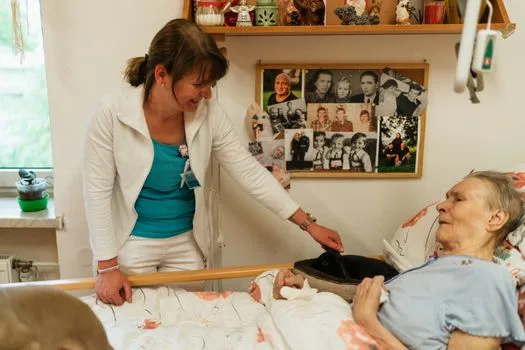
Care plans guide how services are delivered, what goals matter most, and how changes should be handled. They help ensure each caregiver knows exactly what the client needs, when it needs to happen, and what to watch for. For agency owners and administrators, documentation also serves as proof that services were delivered appropriately and in line with the client’s plan.
Strong care plan documentation supports:
- Better continuity of care across shifts and caregivers
- Improved client safety through clear instructions and updates
- Stronger family communication and fewer misunderstandings
- Cleaner billing and reimbursement with accurate service records
- Lower compliance risk during audits or reviews
In short, the care plan is where operations, compliance, and client experience meet. If the documentation is weak, all three suffer.
Best practices for care plan documentation

1. Make the care plan specific, not generic
One of the most common documentation mistakes is using vague language. A note that says “assist with hygiene” may be technically true, but it does not tell a caregiver what level of help is needed or what tasks are expected.
Instead, use clear, actionable language such as:
- Assist with sponge bath on Tuesdays, Thursdays, and Saturdays
- Provide standby assistance during showering
- Remind client to take morning medications at 8:00 a.m.
- Prepare lunch according to dietary restrictions listed in the care plan
The more specific the documentation, the easier it is for caregivers to follow the plan consistently and for supervisors to spot gaps before they become problems.
2. Build the plan around the client’s current needs
Care needs change. A client recovering from surgery may need temporary support that looks very different from long-term dementia care. A good care plan should reflect the client’s current condition, not the original intake assessment from months ago.
Best practice is to review and update the plan regularly, especially when there are changes in:
- Mobility
- Cognition
- Medication routines
- Family involvement
- Fall risk
- Meal or dietary needs
When home care documentation stays current, caregivers can respond more effectively and families are less likely to feel surprised by service changes.
3. Standardize your documentation process
If every caregiver documents differently, your agency ends up with inconsistent records that are hard to review and even harder to trust. Standardization helps everyone know what to include, how to phrase it, and where to find it.
To standardize care plan documentation, consider using:
- Templates for common service types
- Required fields for safety concerns and special instructions
- Consistent terminology across all care plans
- Checklists for intake, reassessment, and updates
Consistency does not mean removing personalization. It means creating a reliable structure so no critical detail is left out.
4. Separate “what to do” from “how to document it”
Caregivers should not need to guess whether they are documenting a task correctly. The care plan should clearly define the service expectations, while the documentation system should make it easy to record completion, exceptions, and observations.
For example:
- Care plan: “Prepare breakfast and provide medication reminder at 7:30 a.m.”
- Visit documentation: “Breakfast prepared. Client ate half meal. Medication reminder provided; client confirmed taken.”
This distinction keeps the plan actionable and the visit note useful. It also makes it easier to train new caregivers and maintain quality across your team.
5. Document risks, preferences, and red flags clearly
Great home care documentation goes beyond task lists. It includes the details that help caregivers provide safer, more personalized care. That means noting risks and preferences in a way that is easy to find quickly.
Examples include:
- Fall risk in bathroom
- Client prefers female caregivers
- Hearing impairment; speak slowly and face client directly
- Family requests updates after each visit
- Client becomes agitated if routine changes without notice
These details can make the difference between a smooth visit and a stressful one. They also help caregivers build trust with clients faster.
6. Keep communication open between office staff and caregivers
A care plan is only useful if everyone involved knows where to find it and feels confident about using it. Office staff should not assume caregivers saw an update, and caregivers should not hesitate to flag issues when the plan no longer matches the client’s needs.
Set up a process for sharing updates quickly when there is a change in condition, schedule, or family request. Even better, use a platform that keeps scheduling, documentation, and communication in one place so nothing falls through the cracks.
BridgeCare OS helps agencies do exactly that by connecting scheduling, EVV, billing, and client records in one modern system. If you’re looking to reduce confusion and keep your team aligned, you can explore it at BridgeCare OS.
7. Make documentation easy for caregivers to complete in real time
When documentation is too time-consuming, caregivers may delay it until the end of the day or forget important details altogether. That creates accuracy problems and puts your agency at risk.
The best documentation systems are simple enough for caregivers to use during or right after the visit. Look for tools that:
- Work on mobile devices
- Use easy-to-read forms
- Allow quick note entry
- Capture visit time automatically
- Support alerts for missed tasks or exceptions
Real-time documentation improves accuracy and saves office staff from chasing down missing notes later.
8. Train caregivers on what “good documentation” looks like
Even experienced caregivers may interpret documentation expectations differently. Training should cover not just what to document, but how to document it clearly and professionally.
Training topics should include:
- How to write objective, factual notes
- What details should always be included
- How to document incidents or changes in condition
- How to avoid vague or emotional language
- When to escalate concerns to the office
A simple rule helps: if another caregiver picked up the case tomorrow, would they know exactly what happened and what needs to happen next?
9. Review documentation regularly for quality and compliance
Strong agencies do not just collect documentation—they review it. Regular quality checks help identify patterns such as incomplete notes, missed updates, or repeated confusion around the same client.
Use a monthly or weekly audit process to review:
- Whether care plans are current
- Whether visit notes match the plan of care
- Whether exceptions are being documented properly
- Whether supervisors are following up on changes in condition
This kind of oversight protects your agency and helps you coach your team before small issues become bigger ones.
10. Use technology that supports alignment, not just storage
Some agencies still use documentation tools that simply store information without helping teams stay coordinated. But alignment requires more than a digital filing cabinet. You need a system that connects the right people to the right information at the right time.
That is where modern home care software can make a real difference. With features like shared scheduling, caregiver notes, family communication, and AI-driven insights, agencies can spot problems earlier and respond faster. BridgeCare OS was built for that kind of operational clarity, helping teams stay aligned without adding extra complexity.
If your current process feels fragmented, it may be time to upgrade to a platform designed for home care documentation and day-to-day coordination. Learn more at BridgeCare OS.
Common documentation mistakes to avoid
Even well-run agencies can fall into habits that weaken care plan documentation. Watch out for these common issues:
- Using vague language like “assist as needed” without defining the task
- Failing to update plans after health or schedule changes
- Leaving out caregiver preferences or family instructions
- Relying on memory instead of written updates
- Documenting late after details have already been forgotten
- Keeping records in multiple places without a single source of truth
Avoiding these mistakes does not require a massive overhaul. Often, it starts with better templates, clearer workflows, and more consistent supervision.
How aligned documentation improves your agency
When care plan documentation is done well, the benefits show up everywhere. Caregivers spend less time guessing. Office staff spend less time correcting errors. Families feel more confident. Clients receive more reliable care. And agency owners gain better visibility into what is happening across the business.
Aligned documentation can also help you:
- Reduce missed visits and service confusion
- Improve caregiver accountability
- Streamline billing and compliance reviews
- Strengthen retention by making caregivers’ jobs easier
- Deliver a more professional client experience
In a competitive home care market, those advantages matter. They support both your reputation and your bottom line.
Final thoughts
Care plan documentation is not just an administrative requirement—it is the foundation of aligned, high-quality care. When your documentation is specific, current, standardized, and easy to access, everyone on your team can work from the same playbook.
Start with better templates, train caregivers on clear documentation habits, and use technology that keeps your operations connected. Small improvements in home care documentation can lead to major gains in consistency, compliance, and client satisfaction.
If you are ready to simplify documentation and keep your team aligned, BridgeCare OS can help you bring scheduling, records, and communication into one place. Consider starting your 14-day free trial to see how much easier your workflow can be.
Keep Reading
Best Practices for Care Plan Documentation That Keeps Everyone Aligned
Learn best practices for care plan documentation to improve communication, reduce errors, and keep caregivers, families, and teams aligned.

Best Practices for Care Plan Documentation That Keeps Everyone Aligned
Learn best practices for care plan documentation that improve communication, reduce errors, and keep caregivers, families, and office teams aligned.

Care Plan Documentation Best Practices for Home Care Agencies
Learn how better care plan documentation keeps caregivers, families, and clients aligned — and reduces risk for your home care agency.
Ready to modernize your home care agency?
BridgeCare OS unites scheduling, EVV, billing, and family transparency on one platform. Start your 14-day free trial — no credit card required.
Start Free Trial →