If your caregivers are still relying on paper schedules, scattered texts, or a desktop system they can only check between visits, you’re making their hardest job even harder.
In home care, the work happens on the move. Caregivers are in clients’ homes, driving between visits, documenting tasks in real time, and responding to last-minute changes. That means the tools they use must work the same way: fast, simple, and accessible from a phone.
A true home care mobile app is no longer a nice-to-have. It’s the difference between a team that stays organized and one that constantly fights avoidable errors, missed notes, late clock-ins, and frustrated staff. For agency owners, the right caregiver mobile tools can also improve compliance, reduce admin time, and support retention in an industry where turnover is notoriously high.
According to AHCA/NCAL and other industry sources, caregiver turnover in home care has remained a persistent challenge, with many agencies reporting annual turnover rates well above 60%. When day-to-day work feels clunky or confusing, it only gets harder to keep great caregivers engaged.
Why mobile-first matters in home care
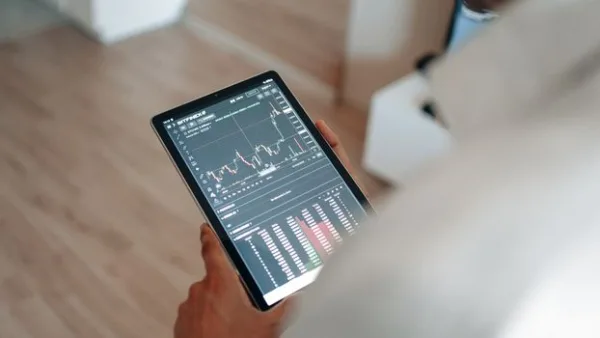
“Mobile-first” means the platform is built for the device caregivers actually use most: their smartphone. That sounds simple, but it has major operational implications.
Caregivers do not sit at desks all day. They need to:
- See schedules quickly
- Clock in and out accurately
- Document visits in the field
- Review care plans and client notes
- Report issues or changes instantly
- Receive updates without playing phone tag
If those tasks require logging into a laptop or waiting until the end of a shift, important details get lost. A mobile-first platform keeps everything in one place, in real time.
It reduces friction during the workday
Caregivers already juggle enough: travel time, client needs, family communication, and documentation. A well-designed mobile app reduces the number of steps needed to complete each task.
When the tools are easy to use, caregivers spend less time navigating software and more time delivering care.
That’s not just a convenience issue. It affects punctuality, documentation quality, and overall job satisfaction.
It improves documentation accuracy
Memory is imperfect, especially after a full day of visits. If caregivers wait until later to enter notes, small details can be forgotten or recorded incorrectly. Mobile documentation allows them to capture information while the visit is fresh.
This matters for:
- ADL and IADL task completion
- Medication reminders
- Client condition changes
- Incident reporting
- Family or office follow-up needs
Accurate documentation helps protect the agency, supports better continuity of care, and gives coordinators a clearer picture of what’s happening in the field.
It helps agencies respond faster
Last-minute schedule changes are common in home care. A caregiver may call out. A client may reschedule. A case may need an urgent update.
With mobile-first caregiver mobile tools, your team can:
- Receive shift changes instantly
- Confirm assignments without back-and-forth calls
- Share updates from the field
- Alert the office to issues right away
That kind of responsiveness can make the difference between a smooth day and a staffing crisis.
The business case for mobile-first caregiver tools
It’s easy to think of mobile software as a caregiver convenience feature. In reality, it impacts the entire agency.
1. Better scheduling efficiency
When caregivers can view schedules on their phones, confusion drops. They know where they need to be, when they need to be there, and what the visit requires.
That means fewer missed visits, fewer “I didn’t know I was assigned” moments, and less time spent by coordinators answering repetitive questions.
2. Stronger compliance
For many agencies, compliance is a constant concern. A mobile-first platform helps caregivers complete required tasks in the moment, which can reduce documentation gaps and improve audit readiness.
Look for mobile tools that support:
- EVV capture
- Time-stamped visit records
- Secure notes and messaging
- HIPAA-conscious access controls
- Care plan visibility on demand
When these features are accessible from a phone, compliance becomes part of the workflow instead of an afterthought.
3. Lower administrative burden
Every phone call an office staff member has to make to confirm a visit, clarify a note, or track down a clock-in is time taken away from higher-value work.
A good home care mobile app reduces admin overhead by putting the right information in caregivers’ hands immediately. Over time, that can translate into:
- Fewer manual corrections
- Faster payroll processing
- Less back-and-forth with families and staff
- Cleaner billing workflows
4. Better caregiver retention
Caregivers want to feel supported, not burdened. A platform that makes their job easier signals that your agency values their time and experience.
That matters in a labor market where caregivers have choices. A clunky system can become one more reason for a good employee to leave. A simple, modern mobile experience can help you stand out as an employer that understands the realities of field work.
What to look for in a home care mobile app
Not all mobile apps are created equal. Some software companies simply shrink a desktop interface onto a phone screen. That is not the same thing as designing for mobile use.
Here’s what agency owners should look for when evaluating caregiver mobile tools.
1. Easy, intuitive navigation
Your caregivers should not need a training manual just to clock in or review their schedule. The interface should be clean, simple, and designed for quick use in the field.
Ask yourself:
- Can a caregiver find today’s shift in a few taps?
- Can they document a visit without confusion?
- Can they submit updates quickly if something changes?
If the answer is no, the app will likely create more friction than it removes.
2. Real-time scheduling visibility
A mobile-first platform should show up-to-date schedules, not outdated assignments from yesterday. Real-time visibility helps caregivers stay organized and reduces missed visits.
Look for:
- Instant schedule updates
- Shift reminders and alerts
- Client location details
- Visit instructions and notes
3. EVV support
Electronic visit verification is a must-have for many agencies, especially those billing Medicaid or working in states with EVV requirements. Your mobile platform should make EVV simple for caregivers to use in the field.
The goal is not just compliance. It’s reducing the chance of missed timestamps, manual corrections, and billing delays.
4. Secure messaging and communication
Text messaging on personal phones can create confusion and compliance concerns. A better option is secure in-app communication that keeps conversations tied to the client or visit.
This helps caregivers and office staff communicate clearly without relying on scattered texts, voicemails, or missed calls.
5. Access to care plans and client notes
Caregivers should be able to review important information before and during a visit. That includes preferences, tasks, reminders, and any special instructions.
When client information is available on mobile, caregivers can provide more consistent and personalized care.
6. Offline or low-signal functionality
Home care does not always happen in perfect connectivity. Some homes have weak signal, and not every caregiver will have reliable internet at every stop.
A strong mobile tool should handle low-signal situations gracefully, allowing caregivers to continue working and sync data once connection is restored.
7. Simple onboarding and training
Even the best app will fail if caregivers can’t learn it quickly. Choose a platform with easy training, clear workflows, and a support team that understands home care operations.
The best systems reduce the learning curve so new hires can get productive faster.
Common mistakes agencies make when choosing mobile tools
Many agencies say they want mobile capability, but they end up choosing software that looks good in a demo and feels clunky in the real world. Avoid these common mistakes:
- Choosing desktop software with a weak mobile add-on. If the mobile experience feels like an afterthought, caregivers will not adopt it consistently.
- Overlooking caregiver usability. Owners and admins may be impressed by dashboards, but the real test is whether caregivers can use it quickly on a busy day.
- Ignoring communication workflows. A mobile app should streamline communication, not create another disconnected channel.
- Forgetting compliance requirements. Make sure the platform supports EVV, secure documentation, and access control.
- Failing to test in the field. Ask for a trial and have actual caregivers use the app during real visits.
Questions to ask before you buy
Before committing to any software, ask these questions:
- Is the platform truly mobile-first, or just mobile-compatible?
- How many taps does it take to complete a typical visit task?
- Does it support EVV and documentation in one workflow?
- Can caregivers communicate securely through the app?
- What happens if the device loses signal?
- How quickly can new caregivers learn the system?
- Does the platform help with scheduling, billing, and compliance, or only one piece of the puzzle?
The answers will tell you a lot about whether the software is designed for real home care operations or just generic field scheduling.
How BridgeCare OS supports mobile-first home care operations
BridgeCare OS was built for agencies that need practical tools, not bloated software. It combines scheduling, EVV, billing, family portal access, HIPAA-conscious workflows, AI insights, CRM, and caregiver rewards in one modern platform.
That means caregivers can stay connected in the field while your office team gets the visibility they need to run the business more efficiently. If you’re comparing options and want a more modern, affordable alternative to legacy systems, BridgeCare OS offers a 14-day free trial with no setup fees and no contracts.
For agencies trying to improve retention and daily execution, that combination of simplicity and visibility can be a real advantage.
Final thoughts
A mobile-first platform is no longer optional for home care agencies that want to stay competitive. Your caregivers need tools that match the way they actually work: fast, secure, and accessible from anywhere.
The right home care mobile app can improve documentation, reduce administrative headaches, support compliance, and create a better experience for caregivers and clients alike. If you’re evaluating caregiver mobile tools, focus on usability first and functionality second—because if the app is not easy to use, it will not be used consistently.
If you’re ready to simplify operations and give your team a platform built for the field, sign up for BridgeCare OS and see how a modern mobile-first system can help your agency run better.
Keep Reading
Why Your Caregivers Need a Mobile-First Platform (And What to Look For)
Discover why a mobile-first home care platform boosts caregiver retention, compliance, and efficiency — plus what features to look for in 2024.
Home Care Software Comparison: How to Choose the Right Platform for Your Agency
Learn how to evaluate and choose the best home care software for your agency with this practical, step-by-step comparison guide for owners and administrators.

How to Choose the Right Home Care Software: A Buyer’s Guide for 2026
A comprehensive guide to evaluating home care software — features to prioritize, pricing models, hidden costs, and questions to ask vendors.
Keep Reading
Why Your Caregivers Need a Mobile-First Platform (And What to Look For)
Discover why a mobile-first home care platform boosts caregiver retention, compliance, and efficiency — plus what features to look for in 2024.
Home Care Software Comparison: How to Choose the Right Platform for Your Agency
Learn how to evaluate and choose the best home care software for your agency with this practical, step-by-step comparison guide for owners and administrators.
How to Choose the Right Home Care Software: A Buyer’s Guide for 2026
A comprehensive guide to evaluating home care software — features to prioritize, pricing models, hidden costs, and questions to ask vendors.
Ready to modernize your home care agency?
BridgeCare OS unites scheduling, EVV, billing, and family transparency on one platform. Start your 14-day free trial — no credit card required.
Start Free Trial →