If you run a home care agency, few words create more stress than “Medicaid audit.” Even agencies with strong operations can feel pressure when an audit notice arrives. The good news is that a Medicaid audit does not have to become a crisis. With the right systems, documentation, and habits in place, you can walk into the process prepared, organized, and far more confident.
For agency owners, audit readiness is not just about avoiding penalties. It is about proving that your caregivers delivered the care you billed for, that your records are accurate, and that your agency is operating with integrity. In a highly regulated industry, good preparation protects revenue, reputation, and long-term growth.
In this guide, we will break down practical home care audit preparation steps, explain what auditors typically look for, and share ways to build a compliance process that makes future audits much easier to handle.
What is a Medicaid audit?
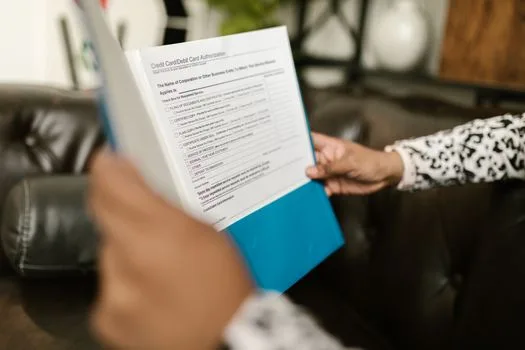
A Medicaid audit is a review of your agency’s claims, documentation, and compliance practices to verify that billed services were provided correctly and according to program rules. Audits can be random, targeted, or triggered by red flags such as missing documentation, unusual billing patterns, or complaints.
Depending on your state and payer requirements, an audit may focus on:
- Visit documentation and caregiver notes
- EVV records and time verification
- Care plans and service authorization
- Billing accuracy and claim submissions
- Staff qualifications, training, and certifications
- HIPAA and record retention compliance
According to the Office of Inspector General, Medicaid improper payments remain a major concern across the healthcare system. That means agencies should assume records will be scrutinized and prepare accordingly. Strong documentation is your best defense.
Why home care audit preparation matters

Many agencies think of audits as something to worry about only after a letter arrives. In reality, the best time to prepare is every day. Consistent documentation and well-organized workflows can help you reduce risk before an audit ever happens.
Good home care audit preparation helps you:
- Support every claim with clear evidence
- Reduce denied or recouped payments
- Respond quickly when records are requested
- Train staff to follow compliant processes
- Identify weak points before they become costly problems
For many agencies, the biggest issue is not fraud. It is inconsistency. A caregiver forgets to complete notes, a scheduler uses the wrong service code, or a file is missing an updated care plan. Small mistakes add up, and auditors notice patterns.
Step 1: Know what your Medicaid program requires

The first step in preparing for a Medicaid audit is understanding the exact rules that apply to your state and payer mix. Medicaid requirements vary by state, waiver program, and service type, so there is no one-size-fits-all approach.
Review the most important rules
Focus on the requirements that directly affect billing and documentation:
- What services are covered
- Which visit notes or EVV data are required
- How quickly documentation must be completed
- How long records must be retained
- Who is authorized to provide each service
- How care plan changes should be documented
If your agency serves multiple payer types, make sure your team knows the differences between Medicaid, private pay, and other billing rules. A process that works for one payer may not satisfy another.
Step 2: Clean up your documentation process
When auditors review an agency, documentation is usually the first place they look. They want to see that the service billed matches the care provided and that records were completed accurately, on time, and by the right person.
Audit your files before someone else does
Do a self-review of several active and past client files. Look for common red flags such as:
- Missing signatures
- Unsigned care plans
- Incomplete caregiver notes
- Timesheets that do not match visit logs
- Outdated physician orders or assessments
- Service gaps without explanation
This internal review can reveal patterns you need to fix immediately. If issues show up in one file, they are often happening in others too.
Standardize what “good documentation” looks like
Caregivers and office staff should not have to guess what compliant documentation means. Create a simple checklist that covers:
- What must be entered after each shift
- How to document client changes or incidents
- Which abbreviations or shorthand are allowed
- When late entries are permitted and how they should be marked
- Who reviews notes for completeness
The easier your process is to follow, the more likely staff will complete it consistently.
Step 3: Make EVV records match the story
Electronic Visit Verification, or EVV, is a major focus in Medicaid audits. Auditors use EVV data to confirm when a visit started, when it ended, where the caregiver was, and whether the billed service was actually delivered.
That means your EVV records, caregiver notes, schedules, and billing must all line up. If one system says a visit ended at 2:00 p.m. and another says 2:30 p.m., that discrepancy can become a problem.
Check for common EVV issues
- Clock-in and clock-out times that do not match the schedule
- Manually edited records without clear justification
- Missing location data
- Visits marked completed without supporting notes
- Repeated exceptions for the same caregiver or client
Using a platform with built-in scheduling, EVV, and billing can reduce these mismatches. For example, BridgeCare OS helps agencies keep visit data, notes, and claims in one place so records are easier to reconcile before an audit. If you are modernizing your systems, you can explore it here: BridgeCare OS.
Step 4: Review billing accuracy line by line
Billing errors are one of the fastest ways to attract attention. Medicaid auditors often look for upcoding, duplicate claims, services billed without supporting documentation, and claims submitted outside program rules.
Even honest mistakes can lead to recoupments or further review if they happen repeatedly.
Run a billing self-audit
Before an external auditor does, review a sample of claims from the past several months. Compare each claim against the supporting record and ask:
- Was the service authorized?
- Did the caregiver actually provide the service?
- Do the notes support the duration and level of care billed?
- Was the claim submitted under the correct client, date, and code?
- Was there any overlap with another visit or payer?
If your team finds a problem, document the correction process. Auditors appreciate agencies that identify and fix issues proactively.
Step 5: Keep staff files and training records organized
An audit is not just about client records. It can also include employee files, onboarding records, skills validation, and ongoing training documentation. If a caregiver was not properly trained or credentialed, that can create compliance exposure.
Make sure each employee file includes
- Application and background check documentation
- Proof of required training
- Licenses or certifications, if applicable
- Signed policy acknowledgments
- Annual training or in-service records
It is also smart to keep a record of disciplinary actions, incident follow-up, and performance reviews. These records can help show that your agency takes quality and compliance seriously.
Step 6: Retain records for the right amount of time
One of the simplest audit problems is also one of the most avoidable: missing records. Agencies often struggle because files are stored in different systems, staff members save documents in personal folders, or paper records are difficult to retrieve quickly.
Medicaid record retention rules vary, but many require agencies to keep records for several years after service delivery. Do not rely on memory. Confirm the retention period that applies to your state and payer contracts, then build a storage process that meets that standard.
Best practices for record retention
- Use one centralized system for storing key documents
- Back up digital records regularly
- Limit editing access to authorized staff
- Label files by client, date, and document type
- Create a retention schedule so old files are archived or deleted appropriately
A secure, HIPAA-conscious system can make this much easier. BridgeCare OS includes compliance-focused tools that help agencies keep client data organized and accessible without relying on scattered spreadsheets and paper files.
Step 7: Train your team before the audit happens
Many audit issues trace back to one root cause: staff do not fully understand what is required. Your caregivers, schedulers, and billing team should all know how their work affects compliance.
Focus training on the real risks
Training should not be generic. It should reflect the issues auditors care about most:
- How to document visits correctly
- What to do when a client refuses care
- How to report missed or shortened shifts
- How to handle late entries and corrections
- Why EVV accuracy matters
- When to escalate unusual situations
Short refresher trainings can be more effective than long annual sessions. The goal is to keep compliance top of mind, not to overwhelm the team.
Step 8: Prepare an audit response plan
If you receive an audit notice, your response should be organized, calm, and fast. Scrambling at the last minute usually leads to incomplete submissions and unnecessary stress.
Create a simple response workflow
Your plan should include:
- Who receives the audit notice first
- Who gathers the requested records
- How files are reviewed before submission
- Where responses are stored
- How deadlines are tracked
Assign one person to own the process. Too many people involved can lead to confusion, duplicate work, or missed deadlines. If possible, keep a standard audit folder ready with recent policies, sample records, staff rosters, and contact information.
Common Medicaid audit mistakes to avoid
Some mistakes show up repeatedly during audits. Avoiding them can make a big difference in your outcomes.
- Submitting records late or incompletely
- Failing to reconcile EVV and billing data
- Using outdated care plans
- Allowing staff to document care hours inaccurately
- Ignoring repeated compliance issues
- Not reviewing files internally until an audit is already underway
The strongest audit defense is not a last-minute scramble. It is a daily system of accurate documentation, consistent workflows, and regular internal review.
How technology can simplify home care audit preparation
Paper-based systems and disconnected software make audits harder than they need to be. When scheduling, EVV, billing, CRM, and compliance live in separate places, it becomes difficult to prove that your records match.
That is why many agencies are switching to all-in-one platforms that reduce manual work and improve visibility. The right system can help you:
- Track visit data in real time
- Keep care notes tied to each shift
- Match billing to completed services
- Store client and staff records securely
- Flag missing documentation before claims go out
BridgeCare OS was built to help home care agencies stay organized, compliant, and audit-ready without paying enterprise-level prices. With scheduling, EVV, billing, family portal, and AI-powered insights in one platform, agencies can reduce the manual errors that often cause audit trouble. Learn more and start a 14-day free trial at BridgeCare OS.
Final thoughts
A Medicaid audit does not have to catch your agency off guard. If you focus on documentation, EVV accuracy, billing consistency, and staff training, you will be in a much stronger position when review time comes. More importantly, these habits improve your day-to-day operations and help protect your agency’s revenue and reputation.
The best home care audit preparation is ongoing, not reactive. Build good systems now, and you will spend far less time worrying later.
Keep Reading
How to Prepare Your Home Care Agency for a Medicaid Audit
Learn how to prepare your home care agency for a Medicaid audit with practical compliance steps, documentation tips, and audit-ready best practices.
How to Prepare Your Home Care Agency for a Medicaid Audit
Learn how to prepare your home care agency for a Medicaid audit with practical steps, documentation tips, and compliance best practices to reduce risk.

How to Prepare Your Home Care Agency for a Medicaid Audit
Learn how to prepare your home care agency for a Medicaid audit with actionable steps to protect your revenue and stay compliant.
Ready to modernize your home care agency?
BridgeCare OS unites scheduling, EVV, billing, and family transparency on one platform. Start your 14-day free trial — no credit card required.
Start Free Trial →