If the words “Medicaid audit” make your stomach drop, you’re not alone. For many home care agency owners, an audit feels like a stress test of everything you’ve built: your scheduling, documentation, billing, caregiver oversight, and compliance processes.
The good news? A Medicaid audit does not have to become a crisis. With the right home care audit preparation, you can reduce risk, respond confidently, and prove your agency is running with the level of accuracy and accountability auditors expect.
In this guide, we’ll break down what auditors typically look for, the records you should have ready, and the practical systems that make audits easier to pass. Whether you’re preparing for a routine review or trying to strengthen your compliance program before a notice arrives, these steps can help protect your agency.
What a Medicaid audit is really about
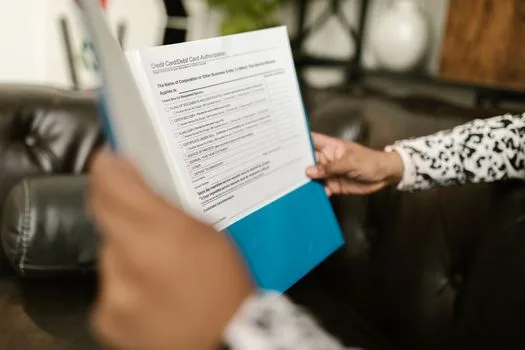
A Medicaid audit is an official review to verify that services billed to Medicaid were actually provided, properly documented, and compliant with program rules. Depending on the state and payer, the audit may focus on claims accuracy, visit verification, caregiver credentials, plan-of-care adherence, or broader fraud, waste, and abuse concerns.
For home care agencies, audits often center on one core question: Can you prove that the care billed was delivered exactly as billed?
That means your agency needs more than good intentions. You need records that line up across scheduling, EVV, caregiver notes, billing, and authorizations. If one system says a client was seen at 9:00 a.m. and another says 10:30 a.m., that inconsistency can trigger follow-up requests or repayment demands.
Why home care audit preparation matters

Strong home care audit preparation can protect your agency from financial penalties, denied claims, and reputational damage. It also improves day-to-day operations. Agencies that maintain clean documentation and organized workflows usually have fewer billing errors, better caregiver accountability, and fewer surprises during payer reviews.
Medicaid program integrity efforts have intensified over the years, and states continue to rely on audits to identify improper payments. Even when no fraud is involved, simple documentation gaps can still lead to recoupments. That’s why compliance should be treated as an operational habit, not a one-time scramble.
Start with the records auditors are most likely to request
Every state has its own audit process, but most Medicaid auditors will want to see some combination of the following:
- Client intake records and eligibility verification
- Signed service agreements and authorizations
- Assessments and care plans
- Schedules and visit logs
- EVV records, including timestamps and location data where required
- Caregiver notes and visit documentation
- Timesheets and payroll support
- Billing claims and remittance records
- Caregiver credentials, training, and background checks
- Supervisory visit documentation
- Incident reports and complaint follow-up records
The key is not just having these records, but having them organized, consistent, and easy to retrieve. If your team has to search across spreadsheets, paper files, and multiple disconnected systems, an audit becomes much harder than it needs to be.
Build an audit-ready documentation process
Audit readiness starts long before you receive a request from the state. The most resilient agencies create documentation habits that are part of normal operations.
1. Standardize how caregivers document visits
Inconsistent notes are one of the fastest ways to create audit risk. Train caregivers to document the same way every time, including:
- Date and time of service
- Tasks completed
- Client condition or changes observed
- Any missed services or unusual events
- Signatures or visit confirmations when required
Keep language clear, factual, and professional. Caregiver notes should describe what happened, not include vague statements like “normal visit” with no detail.
2. Reconcile schedules, EVV, and billing
One of the most common audit red flags is a mismatch between scheduled shifts, EVV records, and claims submitted. Before billing Medicaid, your team should confirm that all three match or that any exceptions are properly explained and approved.
For example:
- If a caregiver arrived late, is there a note explaining the delay?
- If a visit ended early, was the change documented and approved?
- If a service was delivered differently than planned, did the care plan support that change?
A connected system makes this much easier. Platforms like BridgeCare OS help agencies align scheduling, EVV, billing, and documentation so you can catch discrepancies before they become audit issues.
3. Keep authorizations current
Medicaid billing should always align with approved service authorizations. Make sure your team tracks:
- Authorization start and end dates
- Approved service types
- Hourly or visit limits
- Changes in payer rules or client eligibility
Expired authorizations are a common reason for denied claims and repayment demands. Set calendar alerts or automated reminders so your billing team knows when renewals are needed.
4. Document supervision and oversight
Auditors often want to see that your agency is actively supervising care, not just assigning shifts. This may include supervisory visits, quality assurance checks, caregiver coaching, and follow-up on missed or problematic visits.
Supervision records show that your agency is monitoring service quality and addressing issues before they escalate. They also help demonstrate that your agency is operating with reasonable oversight, which matters during an audit.
Review your compliance risk areas before the audit notice arrives
Many agencies wait until they receive an audit letter before reviewing their weaknesses. That’s too late to fix structural problems. Instead, conduct internal checks regularly and focus on these common risk areas:
- Missing documentation: Any visit without a complete note or EVV record should be investigated.
- Inconsistent times: Watch for differences between what the schedule says, what EVV shows, and what was billed.
- Unsigned forms: Intake, authorization, and care plan signatures should be complete and stored.
- Expired credentials: Caregiver licenses, training, and background checks should be current.
- Duplicate or overlapping shifts: These can trigger billing questions and should be reviewed carefully.
- Service outside the care plan: Any deviation should be documented and approved.
A monthly internal audit can save you major headaches later. Even a simple checklist reviewed by a manager can catch patterns before they become expensive problems.
Create an internal Medicaid audit response plan
If your agency receives a Medicaid audit request, you want a calm, organized process—not a scramble. Every home care agency should have a written response plan that defines who does what and by when.
Your audit response plan should include:
- The person responsible for receiving and reviewing audit notices
- Where records are stored and how they are pulled
- Who verifies claim accuracy and supporting documentation
- How the agency communicates with the auditor
- How deadlines are tracked
- How corrective actions are documented
This is especially important if multiple people handle scheduling, billing, and care coordination. When responsibilities are unclear, response times slip and documentation can get overlooked.
Train staff on audit awareness, not just compliance rules
Compliance training should go beyond policy handbooks. Your staff needs to understand how their daily actions affect audit outcomes.
For caregivers, that means documenting visits accurately, clocking in and out correctly, and reporting issues promptly. For office staff, it means checking for missing documentation, verifying authorizations, and making sure claims match support records.
Train your team to think in terms of audit-ready habits:
- “Would this note make sense to an outside reviewer?”
- “Can we prove the service was delivered?”
- “Does the billing match the visit record?”
- “Is this authorization still valid?”
When everyone understands the “why” behind the process, compliance becomes much easier to maintain.
Use technology to reduce audit risk
Manual processes create room for error. Spreadsheets, paper files, and disconnected software tools make it harder to verify records and easier for mistakes to slip through.
The right home care software can support Medicaid audit readiness by centralizing:
- Schedules and visit changes
- EVV data
- Billing and claims support
- Caregiver documentation
- Client records and authorizations
- Compliance alerts and reporting
BridgeCare OS was built to help agencies simplify these workflows with scheduling, EVV, billing, HIPAA-friendly recordkeeping, and AI insights that help you spot issues earlier. For agencies that want fewer manual steps and a cleaner compliance trail, that kind of visibility can make audit preparation much easier.
What to do when the audit notice arrives
If you receive a Medicaid audit letter, don’t panic. Move quickly, stay organized, and avoid making unsupported changes to records.
Here’s a practical first-response checklist:
- Read the notice carefully and note the deadline.
- Identify the date range, client files, or claims being reviewed.
- Assign one internal lead to coordinate the response.
- Gather only the requested documents first, then review for completeness.
- Check for inconsistencies before submitting anything.
- Keep a log of what was sent, when it was sent, and by whom.
Never alter documentation after the fact to make it look better. If corrections are needed, follow your agency’s policy and preserve the original record trail. Auditors expect integrity and consistency, not perfection.
After the audit: turn findings into improvements
Even a clean audit should lead to a review of what worked and what could be improved. If the auditor identifies issues, use them as a roadmap for stronger processes.
Ask:
- Were errors caused by training gaps?
- Did staff understand the documentation rules?
- Were our systems too manual?
- Do we need stronger oversight or approval workflows?
The goal is not just to survive one Medicaid audit. It’s to build an agency that is consistently prepared, financially protected, and easier to manage.
Final thoughts
Medicaid audits can feel intimidating, but they become far more manageable when your agency has clear documentation habits, connected systems, and a proactive compliance culture. Strong home care audit preparation is really about consistency: clean records, accurate billing, current authorizations, and staff who understand their role in protecting the agency.
If you’re ready to reduce manual work and strengthen your compliance workflow, BridgeCare OS can help you bring scheduling, EVV, billing, and documentation into one place. A more organized system today can make your next Medicaid audit much easier tomorrow.
Keep Reading

How to Prepare Your Home Care Agency for a Medicaid Audit
Learn how to prepare your home care agency for a Medicaid audit with actionable steps to protect your revenue and stay compliant.

How to Prepare Your Home Care Agency for a Medicaid Audit
Learn how to prepare your home care agency for a Medicaid audit with practical compliance steps, documentation tips, and audit-ready best practices.
How to Prepare Your Home Care Agency for a Medicaid Audit
Learn how to prepare your home care agency for a Medicaid audit with practical steps, documentation tips, and compliance best practices.
Ready to modernize your home care agency?
BridgeCare OS unites scheduling, EVV, billing, and family transparency on one platform. Start your 14-day free trial — no credit card required.
Start Free Trial →