Few things frustrate a home care agency more than a caregiver no-show. It disrupts the day, puts pressure on your office team, and can quickly damage a family’s trust. For the client, it may mean missed medication reminders, delayed personal care, or a stressful gap in support. For the agency, it can mean extra phone calls, overtime, unhappy families, and in some cases, lost business.
The good news is that many no-shows are preventable. With smarter home care scheduling, agencies can reduce avoidable mistakes, improve caregiver reliability, and create a better experience for clients and families. In today’s competitive market, that’s not just an operational win — it’s a growth strategy.
In this article, we’ll break down why caregiver no-shows happen, how smart scheduling helps prevent them, and what home care agencies can do to improve client satisfaction at the same time.
Why caregiver no-shows happen in the first place
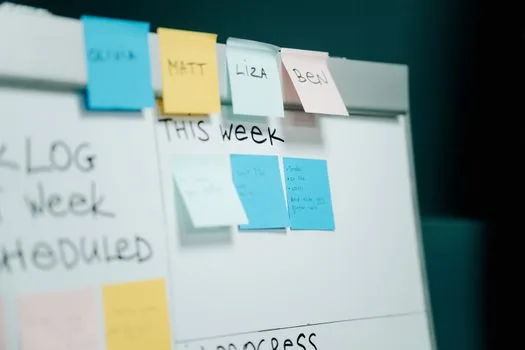
Caregiver no-shows are rarely caused by just one issue. In many agencies, they’re the result of a combination of poor communication, scheduling gaps, and caregiver burnout. When schedules are built manually or changed too often, mistakes happen.
Common causes include:
- Confusing schedules with last-minute changes
- Double bookings or overlapping shifts
- Long travel distances between clients
- Caregivers being assigned to clients they’re not comfortable with
- Poor visibility into caregiver availability
- Lack of reminders or shift confirmations
- Burnout from inconsistent or unrealistic scheduling
According to industry research, turnover in home care remains one of the sector’s biggest challenges, and unstable scheduling is often part of the problem. When caregivers feel constantly rushed, overbooked, or unsupported, attendance becomes less reliable.
How smart scheduling reduces caregiver no-shows

Smart scheduling is more than putting names on a calendar. It means using caregiver scheduling software to match the right caregiver to the right client at the right time, while accounting for skills, location, availability, and continuity of care.
1. It makes schedules easier to understand
One of the simplest ways to reduce no-shows is to eliminate confusion. If caregivers can clearly see their shifts, client details, and updates in one place, they’re less likely to miss assignments.
Modern home care scheduling tools help by:
- Centralizing all shifts in one dashboard
- Sending instant updates when schedules change
- Allowing caregivers to view upcoming visits from their phone
- Reducing reliance on paper calendars, texts, and phone calls
When everyone is working from the same system, there’s less room for error.
2. It matches caregivers based on fit, not just availability
A caregiver may be technically available, but that doesn’t always mean they’re the best match. Smart scheduling considers skill sets, client preferences, language, certifications, and service needs. That leads to better continuity and fewer missed shifts.
For example, if a client prefers the same caregiver each week, assigning a familiar face can improve trust and reduce cancellations. If a client needs specialized support, assigning someone without the right experience can lead to frustration and potential no-shows.
Good caregiver scheduling software helps agencies make more thoughtful assignments, which improves both attendance and satisfaction.
3. It reduces travel-related problems
Caregivers are more likely to arrive on time when their schedules are geographically efficient. Overloaded routes and long back-to-back drives increase lateness and missed visits.
Smart scheduling helps agencies:
- Group visits by location
- Avoid unrealistic travel windows
- Balance workloads more fairly
- Cut down on caregiver fatigue
That matters because a caregiver who is constantly rushed between clients is more likely to run late, call out, or simply not show up.
4. It creates better accountability
When caregivers know their shifts are tracked clearly, they’re more likely to take attendance seriously. Smart scheduling often works hand in hand with EVV and mobile notifications, creating a more accountable workflow.
That combination gives your office team better visibility into who has confirmed a visit, who is running behind, and where coverage gaps may appear. Instead of scrambling after a no-show, your team can respond early and find backup coverage faster.
5. It helps prevent burnout
Burnout is a major driver of attendance problems. Caregivers who are overbooked, underappreciated, or repeatedly scheduled outside their preferences may become disengaged over time.
Better scheduling can improve morale by:
- Balancing shift loads more evenly
- Giving caregivers predictable hours
- Reducing last-minute chaos
- Making it easier to request time off or swap shifts
When caregivers feel respected and supported, they’re more likely to stay committed to their clients and their agency.
How smart scheduling improves client satisfaction

Clients and families care less about your internal workflow and more about one thing: does the caregiver show up when expected, and do they provide consistent care? Smart scheduling has a direct impact on that experience.
Fewer missed visits mean more trust
Every no-show chips away at a family’s confidence. Even one missed visit can make an agency seem disorganized. Over time, recurring no-shows can push clients to look elsewhere.
Reliable scheduling shows families that your agency is dependable. That kind of trust is essential in home care, where clients are often vulnerable and families are already stressed.
Consistency improves the care experience
When the same caregiver visits regularly, clients tend to feel more comfortable and safe. They don’t have to re-explain routines, preferences, or health concerns each time.
Smart scheduling helps preserve continuity by keeping assignments stable whenever possible. This can lead to:
- Stronger caregiver-client relationships
- Better communication with families
- Improved satisfaction scores
- Fewer complaints and service disruptions
Families feel more informed
Families want visibility into what’s happening with their loved ones. If they don’t know when a caregiver is coming, or they hear about a missed visit too late, frustration builds quickly.
Systems that include a family portal can make a big difference by giving families a clearer view into schedules and updates. That transparency can reduce panic, improve communication, and reinforce trust in your agency.
For agencies looking to modernize operations, platforms like BridgeCare OS combine caregiver scheduling software, EVV, family visibility, and compliance tools in one place, making it easier to stay organized and responsive.
What features to look for in caregiver scheduling software
Not all scheduling tools are built for the realities of home care. If you’re evaluating software, look for features that help your team prevent no-shows before they happen.
Must-have features include:
- Real-time schedule updates so changes are instantly visible
- Mobile access for caregivers on the go
- Shift confirmation tools to reduce missed assignments
- Skill-based matching for better client-caregiver fit
- Availability tracking to avoid assigning unavailable staff
- Automated reminders for upcoming visits
- EVV integration for attendance tracking and compliance
- Family communication tools for greater transparency
The best software doesn’t just save time for office staff. It also supports better field performance and stronger client relationships.
Practical ways to reduce caregiver no-shows right now
Software is important, but process matters too. Even the best home care scheduling system works better when paired with strong agency habits.
- Confirm shifts in advance. Ask caregivers to acknowledge assignments before the day of service.
- Keep schedules realistic. Avoid overloading staff or creating impossible travel times.
- Use backup coverage plans. Build a bench of reliable caregivers you can call when someone cancels.
- Track no-show patterns. Look for trends by caregiver, client, day of week, or shift type.
- Reward reliability. Recognize caregivers with strong attendance records and positive client feedback.
- Communicate clearly. Make sure caregivers know who to contact if they’re running late or need coverage.
- Review client fit regularly. If a caregiver struggles with a certain case, it may be time to adjust the assignment.
How smart scheduling supports growth, not just operations
Reducing caregiver no-shows is not only about avoiding problems. It also gives your agency a stronger foundation for growth.
When scheduling is efficient, your office team spends less time firefighting and more time focusing on recruiting, retaining caregivers, and serving families. You also create a more professional experience that can lead to better reviews, stronger referrals, and improved retention.
In home care, consistency is a competitive advantage. Agencies that deliver reliable care and clear communication tend to earn more trust, keep clients longer, and build stronger teams.
That’s why many agencies are moving away from disconnected spreadsheets and manual workflows. Modern caregiver scheduling software helps reduce mistakes while giving owners and administrators more visibility into day-to-day operations.
If your agency is still relying on texts, spreadsheets, and paper schedules, it may be time to upgrade. A platform like BridgeCare OS can help streamline home care scheduling, improve accountability, and support a better experience for both caregivers and families.
Final thoughts
Caregiver no-shows can hurt your agency’s reputation, overwhelm your staff, and frustrate families. But with smart scheduling, many of those issues can be prevented. By matching the right caregiver to the right shift, improving communication, and making schedules easier to manage, you can reduce missed visits and increase client satisfaction at the same time.
If you want fewer scheduling headaches and a more reliable care experience, start with the system behind the schedule. The right tools can make a measurable difference.
BridgeCare OS helps home care agencies simplify scheduling, improve visibility, and keep care on track — without setup fees or long-term contracts.
Keep Reading

How Smart Scheduling Reduces Caregiver No-Shows and Improves Client Satisfaction
Discover how caregiver scheduling software can reduce no-shows, improve continuity of care, and boost client satisfaction in home care agencies.

How Smart Scheduling Reduces Caregiver No-Shows and Improves Client Satisfaction
Discover how caregiver scheduling software reduces no-shows, improves client satisfaction, and streamlines home care operations. Actionable tips inside.

How to Control Overtime Costs Without Burning Out Your Caregivers
Learn proven strategies to reduce home care overtime costs while keeping caregivers happy, engaged, and less likely to quit. Practical tips for agency owners.
Ready to modernize your home care agency?
BridgeCare OS unites scheduling, EVV, billing, and family transparency on one platform. Start your 14-day free trial — no credit card required.
Start Free Trial →