Is Your Care Plan Documentation Actually Keeping Everyone on the Same Page?

Picture this: A caregiver arrives at a client's home and isn't sure whether the client's medication schedule was recently updated. A family member calls your office frustrated because no one told them about a change in their loved one's care routine. Your billing team flags a claim rejection because the documented services don't match what was actually delivered. Sound familiar?
These aren't just administrative headaches — they're signs of a documentation breakdown. And in home care, poor care plan documentation doesn't just create operational chaos. It can put clients at risk, expose your agency to liability, and erode the trust you've worked hard to build with families and referral partners.
The good news? With the right practices in place, care plan documentation can become one of your agency's greatest strengths — a living system that keeps every caregiver, coordinator, and family member aligned and informed. Here's how to get there.
Why Care Plan Documentation Matters More Than You Think
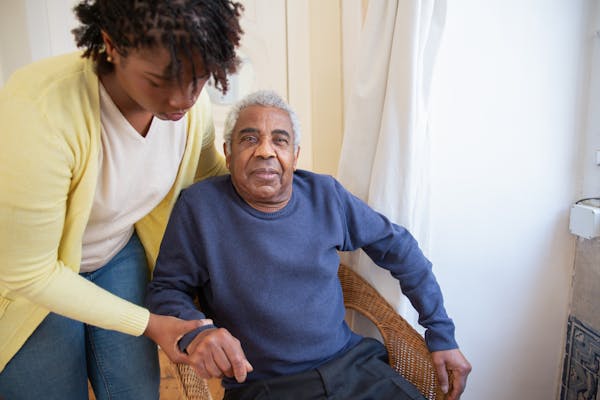
Care plan documentation is the backbone of quality home care delivery. It's the single source of truth that tells every person involved — from the aide walking through the front door to the billing specialist submitting claims — exactly what a client needs, when they need it, and how it should be provided.
According to a study published in the Journal of the American Geriatrics Society, poor communication and documentation failures are among the leading contributors to preventable adverse events in home-based care. When documentation is incomplete, outdated, or inaccessible, mistakes happen.
Beyond client safety, accurate home care documentation is also a regulatory and financial necessity. Medicaid and Medicare programs require detailed documentation to support billing claims. State licensing agencies conduct audits that rely on the quality of your care records. And in the event of a legal dispute, your documentation is your defense.
Strong care plan documentation protects your clients, your caregivers, and your business — all at once.
The Core Elements Every Care Plan Should Include

Before you can establish great documentation practices, it's worth getting clear on what a complete care plan actually looks like. While every client is unique, a well-structured care plan should consistently include the following elements:
- Client demographics and emergency contacts — Basic but critical. Always keep this current.
- Medical history and diagnoses — Relevant conditions that affect care delivery, medications, allergies, and contraindications.
- Assessed needs and functional limitations — What can the client do independently? Where do they need support?
- Specific care tasks and instructions — Not just "assist with bathing," but detailed instructions like preferred water temperature, use of a shower chair, and any skin conditions to monitor.
- Goals and desired outcomes — What does success look like for this client over the next 30, 60, or 90 days?
- Caregiver responsibilities and shift notes — What should be documented after each visit?
- Authorization and billing codes — Authorized hours, funding source, service codes, and any payer-specific requirements.
- Review and update schedule — When will the care plan be reassessed and by whom?
Missing any of these components creates gaps — and gaps create risk.
Best Practices for Home Care Documentation That Actually Works
1. Make Documentation a Real-Time Habit, Not an Afterthought
One of the most common documentation pitfalls in home care is delayed recording. When caregivers document care hours after the fact — at the end of the day or week — accuracy suffers. Memory fades, details get skipped, and visit notes become generic and unhelpful.
Encourage (and enable) caregivers to document at the point of care. This means capturing visit notes, completed tasks, and any observations about the client's condition right when they happen. Mobile-friendly tools make this far easier for caregivers who aren't working at a desk.
Real-time documentation also supports Electronic Visit Verification (EVV) compliance, which is now required in most states for Medicaid-funded personal care and home health services.
2. Write for the Next Caregiver, Not Just for the Record
One of the most useful mindset shifts you can give your team is this: write your documentation as if the next person reading it has never met this client.
That means being specific. Instead of "client was agitated today," write "client became verbally upset at 10:30 AM when asked to take morning medications. Caregiver redirected with a brief walk outside and client calmed within 10 minutes." The second version tells a story that helps the next caregiver show up prepared.
Build a culture where caregivers understand that strong documentation is an act of care — it protects the client and protects each other.
3. Use Standardized Templates to Ensure Consistency
Inconsistent documentation formats are a silent killer of care coordination. When every caregiver documents differently — some thorough, some sparse, some using their own shorthand — it becomes nearly impossible to spot trends, track changes in client condition, or pull clean data for billing and audits.
Standardized care plan templates and shift note formats remove ambiguity. They prompt caregivers to address the same key areas every visit and make it easy for supervisors to review documentation quickly. Templates also help newer caregivers understand what "good" documentation looks like from day one.
4. Build in a Clear Process for Care Plan Updates
A care plan that was accurate six months ago may be dangerously outdated today. Client conditions change. Families request adjustments. Physicians modify treatment plans. Your care plan documentation must reflect the current reality — not a snapshot from the past.
Establish a formal update process that includes:
- Scheduled reassessments — Set a standard review cadence (e.g., every 30, 60, or 90 days) and stick to it.
- Triggered updates — Any hospitalization, fall, significant health change, or family request should automatically trigger a care plan review.
- Version control — Document when changes were made, who made them, and why. This creates an audit trail and protects your agency.
- Communication to caregivers — Updating the care plan means nothing if the caregivers on the case don't know about it. Build a clear notification process.
5. Keep Families in the Loop — Proactively
Family members are key stakeholders in home care — and they're often the first to notice when something isn't right. When families feel excluded from the care process, trust breaks down and complaints escalate.
Proactive communication around care plan changes goes a long way. This doesn't mean burying families in paperwork or calling them every time a caregiver completes a task. It means giving them visibility into what's happening with their loved one and making it easy for them to raise concerns or share updates.
Some agencies use family portals to provide this kind of transparent, ongoing communication — allowing family members to see visit notes, care plan summaries, and caregiver schedules without flooding your coordinators' phones. Platforms like BridgeCare OS include built-in family portals that make this kind of engagement seamless, keeping families informed and reducing the volume of "just checking in" calls your office receives.
6. Train Caregivers on Documentation Standards — Repeatedly
Training caregivers on documentation isn't a one-time onboarding checkbox. It's an ongoing investment. Documentation quality tends to drift over time, especially if caregivers don't receive feedback on what they're submitting.
Consider implementing:
- Documentation quality audits — Regularly review a sample of visit notes and care plans. Share aggregate feedback with your team.
- Real examples of good and poor documentation — Concrete examples (anonymized, of course) help caregivers understand standards far better than abstract policies.
- Refresher training tied to common errors — If your audits reveal a recurring gap, address it directly and quickly.
- Recognition for strong documentation — When caregivers do it well, say so. Positive reinforcement shapes behavior.
7. Leverage Technology to Reduce Documentation Burden
Let's be honest: caregivers don't go into home care because they love paperwork. If your documentation process feels burdensome, compliance will suffer. The goal is to make thorough documentation as easy as possible.
Modern home care management platforms can automate significant parts of the documentation workflow — auto-populating care plan fields, prompting caregivers with structured visit note templates via mobile app, flagging incomplete documentation before a shift ends, and syncing visit data directly to billing. This doesn't just improve documentation quality; it saves your team hours every week.
When evaluating technology solutions, look for platforms that integrate scheduling, EVV, and care documentation in a single system — eliminating the data silos that cause so many alignment problems in the first place.
Common Documentation Mistakes to Avoid
Even well-intentioned agencies fall into these traps. Watch out for:
- Copy-paste documentation — Caregivers who duplicate yesterday's notes for today's visit. This masks real changes in client condition and creates false records.
- Vague language — Terms like "client tolerated care well" or "no issues noted" without supporting detail are nearly meaningless and won't hold up in an audit.
- Missing signatures and timestamps — Every care plan and visit note should be properly authenticated with caregiver credentials and time stamps.
- Siloed documentation — When nursing notes, aide notes, and coordination records live in separate places, nobody has the full picture.
- Delayed care plan distribution — Care plans that are updated in the system but never communicated to active caregivers are as good as not updated at all.
Turning Documentation Into a Competitive Advantage
Here's a perspective shift worth sitting with: agencies that do documentation well don't just avoid problems — they win business. Referral sources like hospital discharge planners and case managers will refer to agencies they trust to keep detailed, accurate records and communicate proactively. Families choose to stay with agencies where they feel informed and involved. Payers renew contracts with providers whose documentation is clean and audit-ready.
Strong home care documentation is not administrative overhead. It's a quality signal — one that tells the market your agency is organized, professional, and trustworthy.
If your current documentation systems feel scattered or inconsistent, it may be time to evaluate whether your tools are supporting your standards or working against them. Purpose-built home care platforms — like BridgeCare OS — are designed specifically to bring scheduling, care plans, EVV, and family communication into one connected system, so every stakeholder has the information they need, when they need it.
Final Thoughts
Great care plan documentation isn't about compliance checkboxes or paperwork for its own sake. It's about making sure that every person involved in a client's care — from the caregiver at the bedside to the family member across the country — has what they need to do their job well and feel confident that their loved one is in good hands.
Start with the basics: complete care plans, real-time documentation, standardized templates, and a clear update process. Build a culture where documentation is seen as an act of professional care. And invest in the tools that make consistent, high-quality documentation achievable for your entire team.
When you get documentation right, everything else — billing, compliance, family trust, caregiver performance — gets easier too.
Keep Reading
Care Plan Documentation Best Practices for Home Care Agencies
Learn how better care plan documentation keeps caregivers, families, and clients aligned — and reduces risk for your home care agency.
Care Plan Documentation Best Practices for Home Care Agencies
Master care plan documentation in home care with these best practices that keep caregivers, families, and coordinators aligned and compliant.
Care Plan Documentation Best Practices for Home Care Agencies
Learn the best practices for care plan documentation that keep caregivers, families, and agencies aligned — and how to avoid costly compliance gaps.
Keep Reading
Care Plan Documentation Best Practices for Home Care Agencies
Learn how better care plan documentation keeps caregivers, families, and clients aligned — and reduces risk for your home care agency.
Care Plan Documentation Best Practices for Home Care Agencies
Master care plan documentation in home care with these best practices that keep caregivers, families, and coordinators aligned and compliant.
Care Plan Documentation Best Practices for Home Care Agencies
Learn the best practices for care plan documentation that keep caregivers, families, and agencies aligned — and how to avoid costly compliance gaps.
Keep Reading
Care Plan Documentation Best Practices for Home Care Agencies
Learn how better care plan documentation keeps caregivers, families, and clients aligned — and reduces risk for your home care agency.
Care Plan Documentation Best Practices for Home Care Agencies
Master care plan documentation in home care with these best practices that keep caregivers, families, and coordinators aligned and compliant.
Care Plan Documentation Best Practices for Home Care Agencies
Learn the best practices for care plan documentation that keep caregivers, families, and agencies aligned — and how to avoid costly compliance gaps.
Ready to modernize your home care agency?
BridgeCare OS unites scheduling, EVV, billing, and family transparency on one platform. Start your 14-day free trial — no credit card required.
Start Free Trial →