Why Care Plan Documentation Can Make or Break Your Home Care Agency

Picture this: A caregiver arrives at a client's home for a shift, unsure whether the client's medication schedule changed after last week's nurse visit. They can't reach the office. The family is frustrated because no one told them about the update. The client receives inconsistent care. And your agency is now exposed to a potential compliance risk — all because of a documentation gap.
This scenario plays out in home care agencies across the country more often than anyone wants to admit. In fact, according to the Joint Commission, communication failures are the root cause of over 70% of sentinel events in healthcare settings. While home care may differ from clinical environments, the stakes are just as real.
Care plan documentation isn't just paperwork. It's the backbone of quality care delivery, caregiver accountability, family trust, and regulatory compliance. When done right, it keeps every person involved in a client's care — from your schedulers to your aides to the client's adult children — working from the same playbook.
In this guide, we'll walk through the best practices for home care documentation that successful agency owners use to stay organized, compliant, and client-centered.
What Makes a Care Plan Document "Complete"?
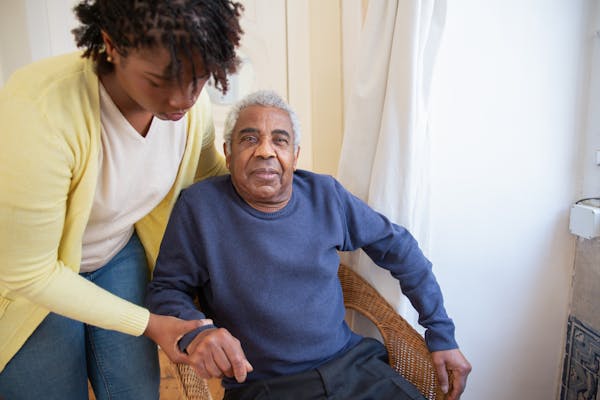
Before we talk about best practices, let's establish a baseline. A complete care plan in home care isn't just a list of tasks. It's a living document that captures the full picture of a client's needs, preferences, and health status.
Core Components Every Care Plan Should Include
- Client demographics and emergency contacts — Name, address, date of birth, primary physician, and at least two emergency contacts
- Diagnosis and health history — Relevant medical conditions, allergies, and any hospitalizations that affect care
- Functional assessment — ADL (Activities of Daily Living) and IADL status, mobility limitations, fall risk scores
- Care goals — Short-term and long-term goals that reflect both clinical needs and client preferences
- Scheduled tasks and frequencies — Exactly what the caregiver should do, when, and how often
- Behavioral and communication notes — How to communicate effectively with the client, any behavioral considerations, cognitive status
- Medication reminders — What medications the client takes and any reminders the caregiver should provide (note: caregivers remind, licensed staff administer)
- Dietary restrictions and preferences — Allergies, cultural preferences, textures required for dysphagia, etc.
- Authorization details — Authorized hours, payer source, and billing codes if applicable
- Signatures and review dates — Who approved the plan and when it was last reviewed
Missing any of these elements creates gaps that can lead to inconsistent care, billing denials, or worse — a client safety incident.
Best Practice #1: Create Care Plans Before Care Begins — Not After

This sounds obvious, but it's one of the most commonly violated practices in home care. Under pressure to fill a shift quickly, some agencies send a caregiver out with verbal instructions or a bare-bones task sheet. This is a recipe for inconsistency and liability.
Make it a non-negotiable agency policy: no caregiver begins services until a complete care plan is documented and accessible to them. Even if you're doing a short-term respite case, a 24-hour authorization, or a last-minute admit, a basic care plan must be in place before day one.
Build workflows that require a care plan to be created as part of the client intake process — not as a follow-up task that gets buried in the to-do list.
Best Practice #2: Write Care Plans in Plain, Actionable Language
Home care aides are not nurses. Many of your caregivers may have varying levels of education and healthcare literacy. Care plan documentation that uses clinical jargon without explanation creates confusion and increases the likelihood that tasks are skipped or misunderstood.
Replace Clinical Language With Clear Instructions
- Instead of: "Assist with ADLs as tolerated" → Write: "Help Mr. Johnson bathe and get dressed each morning. He can wash his upper body himself but needs help with legs and feet."
- Instead of: "Monitor for signs of edema" → Write: "Check if Mrs. Garcia's ankles look swollen or puffy. If they do, write it in the visit notes and notify the office."
- Instead of: "Encourage fluid intake" → Write: "Offer a glass of water or juice every 2 hours. Mr. Lee prefers apple juice in the morning."
Specific, plain-language instructions reduce the margin for error and make caregivers more confident in their role. When caregivers know exactly what to do, they do it better — and they feel more professionally supported.
Best Practice #3: Treat the Care Plan as a Living Document
A care plan written at intake and never revisited is a liability, not an asset. Client needs change. Conditions progress. Families request adjustments. Physicians update orders. Your documentation must reflect the current reality of a client's situation at all times.
Establish a Regular Review Cadence
- At intake: Full assessment and initial care plan creation
- Every 60–90 days: Scheduled formal review with supervisor or care coordinator
- After a hospitalization or ER visit: Immediate update to reflect any changes in condition or orders
- When family or client raises a concern: Same-day review and update if needed
- When a new caregiver is assigned: Verify the plan is current before orientation
Document every update with a date, the name of the person who made the change, and the reason for the revision. This audit trail is critical during state surveys and when resolving disputes with families or payers.
Best Practice #4: Make Documentation Accessible to Everyone Who Needs It
A beautifully written care plan locked in a filing cabinet — or buried in a coordinator's email thread — does nobody any good at 7 AM when a caregiver is starting a shift.
Every team member who touches a client's care should be able to access the current care plan instantly. This means moving away from paper-based systems or shared drives that require office access, and toward digital solutions that make documentation available on any device.
Platforms like BridgeCare OS put care plans directly in the hands of caregivers through a mobile-friendly interface, so your aides can review instructions before every visit — even if they're standing on the client's front porch. When documentation is easy to access, it actually gets used.
Best Practice #5: Involve the Client and Family in Care Plan Development
Person-centered care isn't just a buzzword — it's the foundation of quality home care and a requirement of most state regulations and payer standards. Clients and their families should be active participants in developing and reviewing the care plan, not passive recipients of services decided for them.
How to Involve Families Effectively
- Conduct intake assessments with the client and a family member present when possible
- Ask open-ended questions: "What does a good day look like for your mom?" or "What's most important to maintain your independence?"
- Share the care plan in writing and explain what each section means
- Request a signature from the client or legal guardian acknowledging the plan
- Provide families with a way to view visit notes and updates — a family portal makes this seamless
When families feel included, they become partners in care rather than critics on the sidelines. This dramatically reduces complaints, reduces family-initiated disenrollment, and creates a stronger referral network for your agency.
Best Practice #6: Train Caregivers to Document During — Not After — Visits
Even the best care plan becomes less useful if visit notes aren't being completed accurately and on time. Many agencies struggle with caregivers who document visits from memory hours later, leading to incomplete or inaccurate records.
Encourage real-time documentation during visits. This doesn't mean caregivers should be glued to a screen — it means giving them tools that make quick, point-of-care notes effortless. Check-boxes, voice-to-text, and pre-built task confirmations can reduce documentation time to under two minutes per visit while improving accuracy significantly.
Electronic Visit Verification (EVV) requirements in most states have already pushed agencies toward real-time check-in and check-out. Build on that foundation by connecting EVV data directly to visit notes and care plan tasks so caregivers aren't duplicating effort.
Best Practice #7: Use Documentation to Identify Care Gaps Before They Become Problems
One of the most underutilized benefits of good home care documentation is its ability to surface patterns — both problems and successes — before they escalate.
When your documentation system is consistent, you can spot things like:
- A caregiver who routinely skips a specific task
- A client whose mobility has declined over the past three visits
- Repeated notes about a client refusing meals (potential sign of depression or swallowing issues)
- Medication reminders that are consistently marked as "refused"
This is where technology provides a real advantage. Agencies using platforms with built-in reporting and AI-powered insights — like those available in BridgeCare OS — can automatically flag anomalies in visit notes and care patterns, allowing supervisors to intervene proactively rather than reactively.
Best Practice #8: Align Documentation with Billing and Compliance Requirements
Your care plan documentation is also your first line of defense in a billing audit. Whether you're billing Medicaid waiver, private pay, long-term care insurance, or VA benefits, payers want to see that authorized services match what was documented in the care plan and confirmed in visit notes.
Documentation Habits That Protect Your Revenue
- Ensure authorized services and hours are clearly listed in the care plan
- Confirm that visit notes reference care plan tasks (not just vague "provided care" entries)
- Maintain documentation of supervisory visits and any adjustments made as a result
- Keep physician orders on file when required by the payer or state
- Document client and/or family consent for all services provided
Sloppy documentation doesn't just create clinical risk — it creates financial risk. Claim denials, recoupments, and failed audits can cost agencies tens of thousands of dollars annually. Strong documentation habits directly protect your bottom line.
The Bottom Line: Good Documentation Is Good Care
Care plan documentation isn't administrative overhead — it's the infrastructure that makes excellent, consistent, person-centered care possible. When your records are thorough, up-to-date, and accessible, your caregivers feel supported, your clients receive better care, your families trust your agency, and your compliance standing stays strong.
The agencies that struggle with documentation are usually the ones treating it as a checkbox rather than a communication tool. The agencies that thrive are the ones that build documentation into their culture from day one — supported by training, clear workflows, and the right technology.
If your current documentation processes feel chaotic, inconsistent, or paper-dependent, it may be time to evaluate whether your tools are holding you back. A modern home care operating system can transform how your team creates, shares, and acts on care plan information — without adding hours of administrative burden.
Start building better documentation habits today, and you'll build a stronger, more trustworthy agency for the long term.
Keep Reading
Care Plan Documentation Best Practices for Home Care Agencies
Learn the best practices for care plan documentation that keeps caregivers, clients, and families aligned. Reduce errors and improve outcomes.
Care Plan Documentation Best Practices for Home Care Agencies
Learn how better care plan documentation keeps caregivers, families, and clients aligned — and reduces risk for your home care agency.
Care Plan Documentation Best Practices for Home Care Agencies
Master care plan documentation in home care with these best practices that keep caregivers, families, and coordinators aligned and compliant.
Keep Reading
Care Plan Documentation Best Practices for Home Care Agencies
Learn the best practices for care plan documentation that keeps caregivers, clients, and families aligned. Reduce errors and improve outcomes.
Care Plan Documentation Best Practices for Home Care Agencies
Learn how better care plan documentation keeps caregivers, families, and clients aligned — and reduces risk for your home care agency.
Care Plan Documentation Best Practices for Home Care Agencies
Master care plan documentation in home care with these best practices that keep caregivers, families, and coordinators aligned and compliant.
Ready to modernize your home care agency?
BridgeCare OS unites scheduling, EVV, billing, and family transparency on one platform. Start your 14-day free trial — no credit card required.
Start Free Trial →