You'd never hand a stranger the keys to your clients' homes without a background check. So why would you hand a software vendor unrestricted access to your clients' most sensitive health data without asking serious questions about their security practices?
Home care agencies are sitting on a goldmine of sensitive information — Social Security numbers, medical histories, home addresses, care schedules, billing details. If a data breach exposes that information, the consequences reach far beyond a fine. You're looking at destroyed client trust, potential legal liability, and a reputation that may never fully recover in your local market.
That's where SOC 2 compliance comes in. It's one of the most important — and most overlooked — criteria when evaluating home care software vendors. This guide will walk you through what SOC 2 actually means, why it matters specifically for home care agencies, and the right questions to ask any vendor before you sign a contract.
What Is SOC 2 Compliance, and Why Should Home Care Agencies Care?

SOC 2 stands for Service Organization Control 2. It's a security framework developed by the American Institute of Certified Public Accountants (AICPA) that evaluates how well a software company protects the data it handles on behalf of its customers.
Unlike HIPAA — which is a legal mandate — SOC 2 is a voluntary certification that a vendor pursues to prove their security practices are rigorous, documented, and independently verified. Think of it as a vendor passing a thorough third-party security audit.
SOC 2 audits evaluate vendors across five "Trust Service Criteria":
- Security: Is the system protected against unauthorized access?
- Availability: Is the system reliably available when users need it?
- Processing Integrity: Is the data processed completely and accurately?
- Confidentiality: Is sensitive data protected appropriately?
- Privacy: Is personal information collected, used, and disclosed correctly?
A vendor that holds a SOC 2 certification has had an independent auditor verify that these controls are actually in place — not just promised in a sales pitch.
SOC 2 Type I vs. SOC 2 Type II: What's the Difference?
When you start asking vendors about their SOC 2 status, you'll likely hear two terms: Type I and Type II. The distinction matters.
- SOC 2 Type I verifies that a vendor has the right security controls designed and in place at a single point in time. It's essentially a snapshot.
- SOC 2 Type II verifies that those controls were operating effectively over a period of time — typically six to twelve months. This is the gold standard.
A Type II report is far more meaningful. Any vendor can set up the right policies the week before an audit. A Type II certification proves those practices are consistent and embedded into how the company actually operates day-to-day.
The Data Security Reality in Home Care
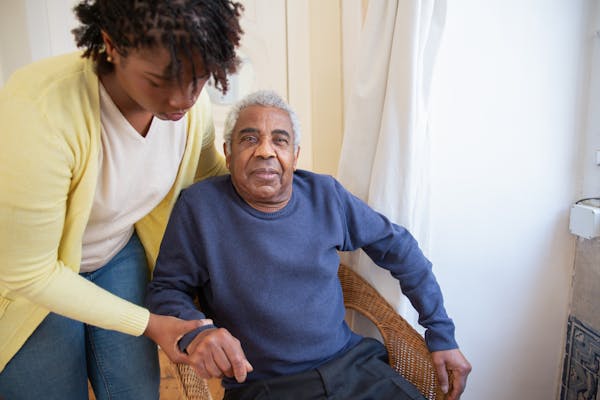
Home care agencies are increasingly attractive targets for cybercriminals. Here's why this isn't just a hypothetical concern:
- The healthcare industry experiences more data breaches than any other sector, according to IBM's annual Cost of a Data Breach Report — with an average breach cost of $10.93 million in 2023, the highest of any industry.
- Small and mid-sized healthcare organizations — exactly the profile of most home care agencies — are frequently targeted precisely because they're assumed to have weaker security than large hospital systems.
- Home care software platforms contain a particularly rich mix of personal, financial, and medical data, making them high-value targets.
- The shift to cloud-based platforms has expanded the attack surface. Your data now lives on a vendor's servers, not just your own office computer.
Many agency owners assume their HIPAA Business Associate Agreement (BAA) with a vendor is sufficient protection. It's not. A BAA is a legal document outlining liability — it doesn't guarantee that a vendor has actually implemented strong security controls. SOC 2 compliance is the technical proof behind the legal promise.
How SOC 2 and HIPAA Work Together (But Aren't the Same Thing)

This is one of the most common points of confusion for home care operators. HIPAA and SOC 2 are related but serve different purposes.
HIPAA is a federal law that sets minimum standards for protecting Protected Health Information (PHI). It applies to you as a covered entity and to your software vendors as Business Associates. Compliance is legally required.
SOC 2 is a voluntary framework that independently verifies a vendor's security controls through a rigorous audit process. It goes deeper than HIPAA in many areas, particularly around operational security, access controls, and incident response.
The ideal scenario: your home care software vendor is both HIPAA-compliant and SOC 2 certified. HIPAA tells you what the rules are. SOC 2 tells you whether a vendor is actually following them — and then some.
"A vendor who is only HIPAA compliant on paper but not SOC 2 certified is like a restaurant that says it follows food safety rules but has never had a health inspection."
Red Flags to Watch for When Evaluating Home Care Software Vendors
Not every vendor will lead with their security credentials. Here are warning signs that should prompt deeper questions — or prompt you to walk away entirely.
Red Flags:
- Vague answers about security practices. If a vendor can't clearly explain their data encryption, access controls, or incident response process, they probably don't have a mature security program.
- No SOC 2 report available. Reputable vendors will share their SOC 2 report (or a summary) with prospective customers. If they don't have one or refuse to provide it, that's a serious concern.
- Only a Type I certification. As mentioned, Type I is a starting point, not a finish line. Push for Type II.
- Outdated certifications. A SOC 2 report from three years ago doesn't reflect current practices. Ask when the most recent audit was completed.
- No Business Associate Agreement (BAA) offered. Any vendor handling PHI is legally required to sign a BAA. If they hesitate or push back on this, end the conversation.
- Unclear data ownership policies. You should own your agency's data. Some vendors have clauses in their contracts that make it difficult to export or retrieve your data if you leave. Read the fine print.
The Right Questions to Ask Any Home Care Software Vendor
Before committing to any platform — whether it's for scheduling, EVV, billing, or your full agency management system — run through this checklist of security questions:
- "Are you SOC 2 Type II certified? Can I see the report?" — The gold standard question. A confident, reputable vendor will say yes and provide documentation.
- "How do you encrypt data in transit and at rest?" — At minimum, look for TLS 1.2 or higher for data in transit and AES-256 encryption for data at rest.
- "What is your process for handling a data breach or security incident?" — They should have a documented incident response plan and be able to tell you how quickly they would notify you of a breach.
- "Do you conduct regular third-party penetration testing?" — Pen tests simulate real cyberattacks to identify vulnerabilities. Regular testing is a sign of a mature security posture.
- "What access controls are in place for your own employees?" — Can every developer at the company access your client data? Role-based access controls and least-privilege principles are essential.
- "Where is our data stored, and is it backed up regularly?" — U.S.-based cloud storage and regular automated backups are standard expectations for any modern platform.
- "Will you sign a Business Associate Agreement?" — Non-negotiable for any vendor touching PHI.
- "What happens to our data if we cancel our subscription?" — You should have a clear, written guarantee of data export rights and a defined data deletion timeline.
What Strong Security Practices Look Like in Practice
When you're evaluating a platform like BridgeCare OS, here's what a security-conscious home care software vendor should have built into their platform at a foundational level:
- End-to-end encryption for all data transmitted between caregivers, agency staff, and family members
- Role-based access controls so caregivers can only see their own schedules and visit notes, not every client in your system
- Audit logs that track who accessed what data and when — critical for HIPAA compliance and internal accountability
- Automatic session timeouts to prevent unauthorized access on shared or unattended devices
- Two-factor authentication (2FA) for administrator accounts
- HIPAA-compliant messaging so care coordination doesn't default to unprotected SMS or email
These aren't luxury features. For any agency handling PHI, they're table stakes.
Why This Matters More Than Ever in a Competitive Market
Beyond protecting your clients, there's a competitive argument for prioritizing security. Increasingly, larger referral sources — hospitals, discharge planners, managed care organizations — are asking home care agencies about their data security practices as part of partnership agreements. Agencies that can point to a technology partner with verified security credentials have a meaningful advantage in those conversations.
Families shopping for home care are also becoming more sophisticated. A parent or adult child choosing an agency for their loved one may well ask: "How do you protect my family's information?" Being able to point to verified, certified security practices is a differentiator that many agencies overlook.
Conclusion: Don't Let a Vendor's Security Gap Become Your Agency's Crisis
Choosing home care software isn't just a technology decision — it's a risk management decision. The vendor you select becomes a custodian of your clients' most sensitive personal information. They deserve the same scrutiny you'd apply to a background check for a caregiver walking through a client's front door.
SOC 2 compliance, paired with HIPAA adherence and transparent security practices, is the clearest signal that a vendor takes that responsibility seriously. It's not the only factor in your decision, but it should be a non-negotiable one.
If you're evaluating your current technology stack or shopping for a new platform, start with the security checklist above. Ask hard questions. Request documentation. And if a vendor can't provide clear answers, trust your instincts.
If you're looking for a modern, security-focused platform built specifically for home care agencies, explore BridgeCare OS with a free 14-day trial — no setup fees, no contracts, and no compromises on data protection.
Keep Reading
SOC 2 Compliance for Home Care Technology: What Every Agency Owner Must Know
Learn why SOC 2 compliance matters for home care data security and how to evaluate technology vendors before you sign a contract.
SOC 2 Compliance in Home Care Technology: What Every Agency Owner Must Know
Learn why SOC 2 compliance matters for home care data security and how to evaluate your software vendors before it's too late.
SOC 2 Compliance in Home Care Technology: What Agency Owners Must Know
Learn why SOC 2 compliance matters for home care technology and how to evaluate vendors to protect client data and your agency's reputation.
Keep Reading
SOC 2 Compliance for Home Care Technology: What Every Agency Owner Must Know
Learn why SOC 2 compliance matters for home care data security and how to evaluate technology vendors before you sign a contract.
SOC 2 Compliance in Home Care Technology: What Every Agency Owner Must Know
Learn why SOC 2 compliance matters for home care data security and how to evaluate your software vendors before it's too late.
SOC 2 Compliance in Home Care Technology: What Agency Owners Must Know
Learn why SOC 2 compliance matters for home care technology and how to evaluate vendors to protect client data and your agency's reputation.
Keep Reading
SOC 2 Compliance for Home Care Technology: What Every Agency Owner Must Know
Learn why SOC 2 compliance matters for home care data security and how to evaluate technology vendors before you sign a contract.
SOC 2 Compliance in Home Care Technology: What Every Agency Owner Must Know
Learn why SOC 2 compliance matters for home care data security and how to evaluate your software vendors before it's too late.
SOC 2 Compliance in Home Care Technology: What Agency Owners Must Know
Learn why SOC 2 compliance matters for home care technology and how to evaluate vendors to protect client data and your agency's reputation.
Keep Reading
SOC 2 Compliance for Home Care Technology: What Every Agency Owner Must Know
Learn why SOC 2 compliance matters for home care data security and how to evaluate technology vendors before you sign a contract.
SOC 2 Compliance in Home Care Technology: What Every Agency Owner Must Know
Learn why SOC 2 compliance matters for home care data security and how to evaluate your software vendors before it's too late.
SOC 2 Compliance in Home Care Technology: What Agency Owners Must Know
Learn why SOC 2 compliance matters for home care technology and how to evaluate vendors to protect client data and your agency's reputation.
Keep Reading
SOC 2 Compliance for Home Care Technology: What Every Agency Owner Must Know
Learn why SOC 2 compliance matters for home care data security and how to evaluate technology vendors before you sign a contract.
SOC 2 Compliance in Home Care Technology: What Every Agency Owner Must Know
Learn why SOC 2 compliance matters for home care data security and how to evaluate your software vendors before it's too late.
SOC 2 Compliance in Home Care Technology: What Agency Owners Must Know
Learn why SOC 2 compliance matters for home care technology and how to evaluate vendors to protect client data and your agency's reputation.
Keep Reading
SOC 2 Compliance for Home Care Technology: What Every Agency Owner Must Know
Learn why SOC 2 compliance matters for home care data security and how to evaluate technology vendors before you sign a contract.
SOC 2 Compliance in Home Care Technology: What Every Agency Owner Must Know
Learn why SOC 2 compliance matters for home care data security and how to evaluate your software vendors before it's too late.
SOC 2 Compliance in Home Care Technology: What Agency Owners Must Know
Learn why SOC 2 compliance matters for home care technology and how to evaluate vendors to protect client data and your agency's reputation.
Keep Reading
SOC 2 Compliance for Home Care Technology: What Every Agency Owner Must Know
Learn why SOC 2 compliance matters for home care data security and how to evaluate technology vendors before you sign a contract.
SOC 2 Compliance in Home Care Technology: What Every Agency Owner Must Know
Learn why SOC 2 compliance matters for home care data security and how to evaluate your software vendors before it's too late.
SOC 2 Compliance in Home Care Technology: What Agency Owners Must Know
Learn why SOC 2 compliance matters for home care technology and how to evaluate vendors to protect client data and your agency's reputation.
Keep Reading
SOC 2 Compliance for Home Care Technology: What Every Agency Owner Must Know
Learn why SOC 2 compliance matters for home care data security and how to evaluate technology vendors before you sign a contract.
SOC 2 Compliance in Home Care Technology: What Every Agency Owner Must Know
Learn why SOC 2 compliance matters for home care data security and how to evaluate your software vendors before it's too late.
SOC 2 Compliance in Home Care Technology: What Agency Owners Must Know
Learn why SOC 2 compliance matters for home care technology and how to evaluate vendors to protect client data and your agency's reputation.
Keep Reading
SOC 2 Compliance for Home Care Technology: What Every Agency Owner Must Know
Learn why SOC 2 compliance matters for home care data security and how to evaluate technology vendors before you sign a contract.
SOC 2 Compliance in Home Care Technology: What Every Agency Owner Must Know
Learn why SOC 2 compliance matters for home care data security and how to evaluate your software vendors before it's too late.
SOC 2 Compliance in Home Care Technology: What Agency Owners Must Know
Learn why SOC 2 compliance matters for home care technology and how to evaluate vendors to protect client data and your agency's reputation.
Keep Reading
SOC 2 Compliance for Home Care Technology: What Every Agency Owner Must Know
Learn why SOC 2 compliance matters for home care data security and how to evaluate technology vendors before you sign a contract.
SOC 2 Compliance in Home Care Technology: What Every Agency Owner Must Know
Learn why SOC 2 compliance matters for home care data security and how to evaluate your software vendors before it's too late.
SOC 2 Compliance in Home Care Technology: What Agency Owners Must Know
Learn why SOC 2 compliance matters for home care technology and how to evaluate vendors to protect client data and your agency's reputation.
Keep Reading
SOC 2 Compliance for Home Care Technology: What Every Agency Owner Must Know
Learn why SOC 2 compliance matters for home care data security and how to evaluate technology vendors before you sign a contract.
SOC 2 Compliance in Home Care Technology: What Every Agency Owner Must Know
Learn why SOC 2 compliance matters for home care data security and how to evaluate your software vendors before it's too late.
SOC 2 Compliance in Home Care Technology: What Agency Owners Must Know
Learn why SOC 2 compliance matters for home care technology and how to evaluate vendors to protect client data and your agency's reputation.
Keep Reading
SOC 2 Compliance for Home Care Technology: What Every Agency Owner Must Know
Learn why SOC 2 compliance matters for home care data security and how to evaluate technology vendors before you sign a contract.
SOC 2 Compliance in Home Care Technology: What Every Agency Owner Must Know
Learn why SOC 2 compliance matters for home care data security and how to evaluate your software vendors before it's too late.
SOC 2 Compliance in Home Care Technology: What Agency Owners Must Know
Learn why SOC 2 compliance matters for home care technology and how to evaluate vendors to protect client data and your agency's reputation.
Keep Reading
SOC 2 Compliance for Home Care Technology: What Every Agency Owner Must Know
Learn why SOC 2 compliance matters for home care data security and how to evaluate technology vendors before you sign a contract.
SOC 2 Compliance in Home Care Technology: What Every Agency Owner Must Know
Learn why SOC 2 compliance matters for home care data security and how to evaluate your software vendors before it's too late.
SOC 2 Compliance in Home Care Technology: What Agency Owners Must Know
Learn why SOC 2 compliance matters for home care technology and how to evaluate vendors to protect client data and your agency's reputation.
Ready to modernize your home care agency?
BridgeCare OS unites scheduling, EVV, billing, and family transparency on one platform. Start your 14-day free trial — no credit card required.
Start Free Trial →