Your Census Won't Grow Itself — But the Right Relationships Will Do the Heavy Lifting

Ask any successful home care agency owner how they built their client base, and you'll hear the same answer almost every time: referrals. Not Google ads. Not mailers. Not cold calls. Referrals.
The reality is that families facing the decision to bring care into the home are scared, overwhelmed, and short on time. They don't scroll through a dozen websites comparing agencies — they call the person they already trust and ask, "Who do you recommend?" That trusted person might be a hospital social worker, a doctor's office nurse, or a neighbor whose mom used your services last year. Whoever it is, your goal is to be the name that comes out of their mouth.
Growing your census through referral sources is not just effective — it's the most cost-efficient, sustainable marketing strategy available to home care agencies. According to industry data, referred clients have a significantly higher conversion rate and longer retention than clients acquired through paid advertising. So if you're looking to grow your home care agency in a meaningful, lasting way, this guide is for you.
Below, we break down the top referral sources for home care agencies and — more importantly — exactly how to build and maintain those relationships so they keep sending clients your way.
The Top Referral Sources for Home Care Agencies
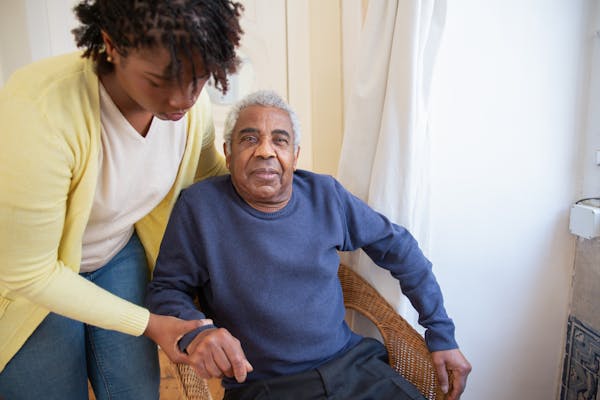
1. Hospital Discharge Planners and Case Managers
Hospitals are arguably the single most powerful referral source for home care agencies. Every day, patients are discharged who need ongoing care at home — post-surgical recovery, chronic disease management, wound care follow-up, or simply help with daily activities while they regain their strength.
Hospital discharge planners and case managers are the gatekeepers to those referrals. Their job is to ensure patients leave safely with appropriate care in place. When they trust your agency, they'll call you first.
How to build this relationship:
- Introduce yourself in person. Visit the hospital's discharge planning or care coordination department and ask for a brief meeting. Bring a one-page overview of your services, coverage area, and intake process.
- Make their job easy. Offer a fast intake process, clear communication, and same-day or next-day start availability when possible. Discharge planners remember the agencies that never leave them hanging.
- Follow up on every referral. A quick call or email letting the case manager know the client is settled and receiving care goes a long way. It closes the loop and shows you care about the outcome, not just the placement.
- Be consistent. Show up quarterly, send holiday cards, drop off lunch for the team occasionally. Relationships are built through repeated, genuine touchpoints — not one visit.
2. Skilled Nursing Facilities and Rehabilitation Centers
When patients are discharged from a skilled nursing facility (SNF) or rehab center, many aren't ready to go fully independent. They need home care to bridge the gap. SNF social workers and discharge staff face the same challenges as hospital case managers — they need reliable agencies they can call on short notice.
How to build this relationship:
- Attend facility events and care conferences when invited.
- Offer to provide educational lunch-and-learns for staff on home care services and what families should expect.
- Share outcome data — if your clients are readmitted less frequently, that's valuable information for facilities focused on quality metrics.
- Leave behind simple, professional marketing materials that staff can hand directly to families.
3. Physicians, Geriatricians, and Primary Care Offices
A patient's primary care physician is often the first person a family calls when they notice Mom is struggling at home. Physicians who know and trust your agency will refer — but many doctors are skeptical of home care agencies they haven't vetted. Your job is to earn that trust before the referral moment arrives.
How to build this relationship:
- Meet with office managers first — they are often the real decision-makers on which agencies get recommended.
- Provide clear documentation of client progress that physicians can reference. This positions your agency as a clinical partner, not just a service vendor.
- Offer to be a resource for staff when families call in crisis. A doctor's office that knows they can call you for a same-day care plan is a doctor's office that will keep calling.
4. Home Health Agencies
This one surprises some agency owners, but home health agencies (the Medicare-certified, medically-focused variety) are excellent partners for private duty and non-medical home care agencies. Home health typically covers a short window of clinical care — nursing visits, physical therapy — and then discharges the patient. That patient often still needs help with bathing, meals, transportation, and companionship.
A strong partnership with a home health agency can create a reliable, ongoing stream of warm referrals for your non-medical services.
How to build this relationship:
- Position yourself as the natural "next step" in the care continuum.
- Offer to co-host community education events or caregiver support groups.
- Create a formal referral agreement that outlines expectations on both sides.
5. Assisted Living and Memory Care Facilities
Families who tour assisted living facilities often discover that their loved one isn't quite ready to make the move — or that they can't afford it yet. A good assisted living director will sometimes refer to private duty home care as an interim or alternative solution. Similarly, some assisted living residents need additional one-on-one care beyond what the facility provides, and that's where you come in.
How to build this relationship:
- Network with sales directors and community relations staff at local assisted living communities.
- Offer your agency as a resource for families who aren't ready for placement — you become the "good guy" who helped rather than pushed.
- For clients already in assisted living, coordinate carefully with facility staff to ensure your caregivers integrate smoothly into the existing care environment.
6. Geriatric Care Managers and Elder Law Attorneys
These professionals work closely with aging adults and their families on complex care planning and legal matters. They are deeply trusted by their clients, and their referrals carry enormous weight. An elder law attorney who recommends your agency to a client during estate planning or Medicaid consultation can send you high-quality, long-term clients.
How to build this relationship:
- Join your local chapter of the Aging Life Care Association or attend elder law bar association events.
- Offer to speak or present on care coordination topics at seminars hosted by these professionals.
- Send referrals their way when appropriate. Relationships built on mutual value last much longer.
7. Faith Communities and Senior Centers
Don't underestimate the power of community-level referrals. Pastors, priests, and community leaders often know which families in their congregation are struggling. Senior centers are hubs where older adults and their adult children gather — and word of mouth in these settings is incredibly powerful.
How to build this relationship:
- Sponsor or volunteer at senior center events.
- Offer free educational workshops on topics like fall prevention, dementia caregiving, or navigating VA benefits.
- Build genuine community presence — not just transactional marketing.
8. Past Clients and Their Families
Your happiest clients are your best marketers. Families who had a great experience with your agency will tell their friends, their neighbors, and their coworkers. This is free, powerful marketing that most agencies leave on the table.
How to activate client referrals:
- Ask for referrals directly, at the right moment — usually after a compliment or a milestone in care.
- Create a simple, informal referral incentive program (a thank-you gift card, a discount on a future invoice).
- Stay in touch with families even after discharge. A quarterly check-in call or holiday card keeps your name top of mind.
Building a Referral Relationship Strategy That Sticks

Track Your Referral Sources
You can't grow what you don't measure. Make sure you're capturing where every single client came from — which hospital, which physician's office, which social worker. Over time, you'll see patterns. Some sources send you three clients a year; others send you thirty. That data should drive where you invest your relationship-building energy.
Modern home care platforms like BridgeCare OS include built-in CRM tools that let you track referral sources directly within your client records, so you always know where your census is coming from and which relationships are paying off.
Create a Referral Outreach Calendar
Consistency is the secret ingredient most agencies miss. Building referral relationships isn't a one-time activity — it's an ongoing commitment. Create a simple quarterly outreach calendar:
- Q1: New year touchpoint — drop by top referring facilities with a thank-you gift or a handwritten note reviewing the partnership.
- Q2: Spring lunch-and-learn — offer an educational session at a physician's office or senior center.
- Q3: Mid-year check-in — reach out to all active referral sources to share any service updates, new staff certifications, or expanded coverage areas.
- Q4: Holiday appreciation — cards, small gifts, or facility visits to show gratitude and stay memorable heading into the new year.
Make Referrals Effortless
The agencies that get the most referrals aren't always the biggest or the flashiest — they're the easiest to work with. That means:
- A simple, fast intake process that doesn't frustrate case managers
- Clear communication throughout the client's care journey
- Reliable follow-through on every commitment you make
- Professional documentation that referral partners can share with families
When referral partners know that handing a family to you means the family will be taken care of — and that they'll hear back from you with updates — they stop thinking twice about who to call. You become the obvious choice.
Leverage Technology to Stay Organized
As your referral network grows, staying on top of every relationship manually becomes impossible. A CRM built into your agency management platform allows you to log contacts, set follow-up reminders, and track which sources are generating the most revenue. This kind of visibility is what separates agencies that grow intentionally from those that grow by accident.
The Bottom Line
Growing your census through referral sources isn't about networking events or fancy brochures — it's about showing up consistently, delivering exceptional care, and making every referral partner feel confident that they're putting their clients in good hands.
Start by identifying your top two or three referral source categories, build a 90-day outreach plan, and commit to tracking every referral so you know what's working. Over time, these relationships will become the most valuable asset your agency has.
If you're ready to run a more organized, growth-focused agency — from referral tracking to scheduling and beyond — try BridgeCare OS free for 14 days and see how the right tools can support every stage of your growth.
Keep Reading
Top Referral Sources for Home Care Agencies (And How to Build Those Relationships)
Discover the top referral sources for home care agencies and proven strategies to build relationships that consistently grow your census.
Top Referral Sources for Home Care Agencies (And How to Build Those Relationships)
Discover the top referral sources for home care agencies and proven strategies to build relationships that grow your census consistently.
Digital Marketing Strategies That Actually Work for Home Care Agencies
Discover proven digital marketing strategies for home care agencies — from SEO to social media — that attract clients and caregivers fast.
Keep Reading
Top Referral Sources for Home Care Agencies (And How to Build Those Relationships)
Discover the top referral sources for home care agencies and proven strategies to build relationships that consistently grow your census.
Top Referral Sources for Home Care Agencies (And How to Build Those Relationships)
Discover the top referral sources for home care agencies and proven strategies to build relationships that grow your census consistently.
Digital Marketing Strategies That Actually Work for Home Care Agencies
Discover proven digital marketing strategies for home care agencies — from SEO to social media — that attract clients and caregivers fast.
Ready to modernize your home care agency?
BridgeCare OS unites scheduling, EVV, billing, and family transparency on one platform. Start your 14-day free trial — no credit card required.
Start Free Trial →