In home care, patient satisfaction is more than a nice-to-have metric. It affects referrals, reputation, caregiver morale, and ultimately revenue. When families feel supported and clients feel safe, heard, and respected, they stay longer, recommend your agency, and become advocates for your brand.
But improving satisfaction scores and client retention is not about one big fix. It is about consistently delivering a better experience at every touchpoint, from the first phone call to every caregiver visit and follow-up conversation.
The good news is that many of the biggest improvements are straightforward. With the right systems, training, and communication, even small agencies can create a more reliable, personal, and responsive care experience.
Why patient satisfaction matters in home care

Patient satisfaction home care metrics are a direct reflection of how well your agency meets expectations. In a service model built on trust, those scores often influence whether families renew services, increase hours, or look elsewhere.
Higher satisfaction also supports client retention, which is critical in a competitive market. Retaining an existing client is generally far less expensive than acquiring a new one, and loyal clients are more likely to refer other families.
According to industry research, acquiring a new customer can cost several times more than retaining an existing one. In home care, where relationship quality is everything, retention is one of the clearest indicators of operational health.
Start with the fundamentals: consistency and reliability

Most dissatisfaction in home care starts with inconsistency. Missed visits, late arrivals, last-minute caregiver changes, and poor communication can quickly erode trust.
Make scheduling dependable
Families want to know who is coming, when they are arriving, and what kind of care will be provided. Reliable scheduling helps reduce anxiety and sets the tone for every visit.
- Avoid frequent caregiver changes whenever possible
- Confirm schedules in advance and notify families of updates quickly
- Track caregiver punctuality and attendance patterns
- Build backup coverage plans for call-outs and emergencies
Using an operating system that centralizes scheduling, EVV, and visit tracking can reduce avoidable errors. For agencies ready to simplify operations and improve family trust, BridgeCare OS helps connect scheduling, documentation, and communication in one platform.
Set clear expectations early
Client satisfaction improves when families understand what your agency can and cannot do. During onboarding, explain:
- Service hours and response times
- Caregiver matching process
- How to request schedule changes
- What to do in an emergency
- How billing and payments work
Clear expectations prevent misunderstandings and make your team look more organized and professional.
Improve communication with clients and families
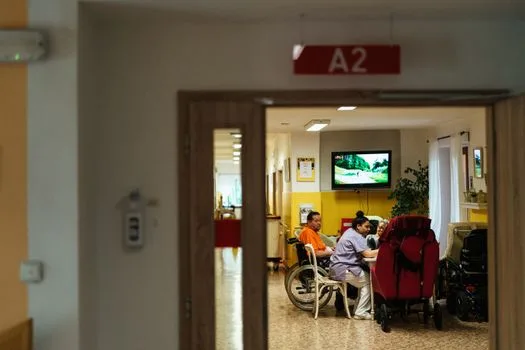
Communication is one of the strongest predictors of client retention. Families often judge care quality not only by what happens in the home, but by how easy it is to get answers, make changes, and feel informed.
Be proactive, not reactive
Do not wait for families to call with concerns. Instead, create regular touchpoints that show attentiveness and reduce uncertainty.
- Send caregiver updates after major changes
- Check in after the first visit and after the first week
- Follow up after any missed or rescheduled shift
- Ask for feedback at set intervals
Make communication simple
Families should not have to chase down information. If they need to talk to a coordinator, review visits, or ask about care updates, the process should be easy.
Many agencies improve satisfaction by offering a family portal where loved ones can view schedules, care notes, and updates in one place. This reduces confusion and builds confidence in your service.
Train staff on tone and responsiveness
Even when the answer is no, the experience should feel respectful and helpful. Train office staff and caregivers to:
- Respond quickly and clearly
- Acknowledge concerns without becoming defensive
- Use plain language, not jargon
- Follow through on promises
Inconsistent communication is one of the fastest ways to lose trust. Consistent communication builds the foundation for long-term retention.
Match the right caregiver to the right client
Caregiver-client fit can make or break satisfaction. Even a highly skilled caregiver may struggle if their personality, communication style, or pace does not match the client’s needs.
Look beyond availability
When matching caregivers, consider:
- Language and cultural fit
- Experience with similar conditions or needs
- Personality and communication style
- Consistency with family expectations
- Reliability and punctuality
A thoughtful match reduces turnover in the home and increases confidence on both sides.
Use feedback to refine matching
Ask families early whether the caregiver is meeting expectations. If a match is not working, address it quickly and professionally. The faster you respond, the more likely you are to preserve the relationship.
Client retention often improves when families feel that their preferences matter and that your team is willing to adjust when needed.
Strengthen caregiver training and accountability
Happy clients are usually the result of well-trained, supported caregivers. If your team is unclear on expectations or overwhelmed by poor systems, satisfaction will suffer.
Train for both skills and service
Training should go beyond task completion. Caregivers also need guidance on service quality, empathy, and professionalism.
Include topics such as:
- Respectful communication with clients and families
- Handling changes in condition or behavior
- Documenting visits accurately
- Recognizing when to escalate concerns
- Following HIPAA and privacy standards
Measure performance consistently
What gets measured gets improved. Track caregiver reliability, visit completion, documentation quality, and family feedback. Use this information to coach rather than just correct.
Positive reinforcement matters too. Recognition programs can improve morale and help caregivers feel valued, which often translates into better client experiences. BridgeCare OS includes caregiver rewards tools that can support retention on the workforce side as well.
In home care, the client experience is only as strong as the team behind it. When caregivers feel prepared, respected, and supported, families notice the difference.
Use technology to reduce friction
Technology should make care easier to manage, not more complicated. When agencies rely on too many disconnected tools or paper-based workflows, mistakes become more common and families feel the impact.
Centralize your operations
A modern platform can help you manage scheduling, EVV, billing, compliance, CRM, and family communication from one place. This reduces administrative burden and helps your team respond faster.
For example, BridgeCare OS combines scheduling, EVV, billing, HIPAA-compliant workflows, AI insights, and a family portal in one system. That kind of visibility helps agencies spot service issues earlier and improve the overall client experience.
Use data to find problems before they grow
Look for trends such as:
- Recurring late arrivals
- Frequent schedule changes
- Caregiver-specific complaints
- Clients at risk of churn
- Slow response times from the office
AI-powered insights can help you identify patterns faster than manual review alone. When you know where the friction is, you can fix it before it affects satisfaction scores or retention.
Ask for feedback and act on it
Many agencies collect feedback, but fewer act on it quickly enough. If families take the time to share concerns, they are giving you a chance to improve before they leave.
Make feedback routine
Use short surveys or quick check-ins at key points:
- After onboarding
- After the first week of service
- After caregiver changes
- Every 30 to 60 days
- At renewal or reassessment
Keep the questions simple:
- How satisfied are you with your care experience?
- Is communication meeting your expectations?
- Do you feel the caregiver is a good fit?
- What could we do better?
Close the loop
Feedback only builds trust when families see action. Thank them for their input, explain what will change, and follow up after improvements are made.
That follow-through strengthens relationships and shows that your agency values service, not just billing hours.
Reduce churn by making billing and administration painless
Even great care can be overshadowed by billing problems. Unexpected charges, delayed invoices, and poor explanation of services can damage trust quickly.
Keep billing transparent
Families should understand what they are paying for and why. Avoid surprises by clearly communicating:
- Rates and service changes
- Invoice timing
- Payment methods
- What is covered and what is not
Minimize administrative frustration
When the office is organized, families feel it. Faster responses, cleaner documentation, and smoother coordination all contribute to a better experience and stronger client retention.
Automated workflows can help your staff spend less time chasing paperwork and more time supporting clients and families.
Track the right satisfaction metrics
You cannot improve what you do not measure. Focus on a small set of meaningful indicators that connect directly to client retention.
Useful metrics include:
- Client satisfaction score
- Family response rate to surveys
- Retention rate by month or quarter
- Number of complaints or escalations
- Late visit or missed visit rate
- Caregiver turnover on active cases
Review these regularly in leadership meetings so you can spot trends early. A small dip in satisfaction may signal a bigger operational issue that needs attention.
Build a culture of service, not just compliance
Compliance matters, but satisfaction comes from the human side of care. The best agencies create a culture where every team member understands that the client experience is everyone’s responsibility.
Lead by example
Owners and administrators set the tone. When leaders are responsive, transparent, and client-focused, the rest of the team is more likely to follow suit.
Celebrate wins
Share positive reviews, thank caregivers for strong performance, and recognize office staff who resolve issues well. Small celebrations reinforce the behaviors that support retention.
Conclusion
Improving patient satisfaction home care scores and keeping clients longer comes down to reliability, communication, caregiver fit, and strong systems. When families feel informed and respected, they are far more likely to stay with your agency and recommend it to others.
If you want to reduce friction and create a better experience for clients, families, and staff, the right technology can help. BridgeCare OS gives agencies the tools to streamline operations, improve visibility, and support better care delivery from one modern platform. You can explore it today with a 14-day free trial at BridgeCare OS.
Keep Reading

How to Improve Patient Satisfaction Scores and Keep Home Care Clients Longer
Learn proven strategies to boost patient satisfaction in home care, reduce churn, and build lasting client relationships that grow your agency.

How to Improve Patient Satisfaction Scores and Keep Clients Longer
Learn practical ways to improve patient satisfaction in home care, strengthen client retention, and build a reputation families trust and recommend.

How to Improve Patient Satisfaction Scores and Keep Clients Longer
Learn proven ways to boost patient satisfaction in home care, increase client retention, and build stronger family trust with practical strategies.
Ready to modernize your home care agency?
BridgeCare OS unites scheduling, EVV, billing, and family transparency on one platform. Start your 14-day free trial — no credit card required.
Start Free Trial →