EVV Compliance in 2026: What Every Home Care Agency Needs to Know

If you've been putting off getting your electronic visit verification system fully dialed in, 2026 is the year that strategy stops working. States across the country have moved past the "grace period" phase of EVV enforcement, and Medicaid programs are tightening the screws on agencies that can't demonstrate consistent, accurate visit data. The stakes have never been higher — we're talking about claim denials, payment clawbacks, and in serious cases, the loss of your Medicaid provider agreement.
But here's the good news: EVV compliance doesn't have to be complicated or expensive. If you understand what's required, why it matters, and how to build it into your daily operations, you can protect your agency's revenue and actually improve the quality of care you deliver. This guide covers everything you need to know heading into 2026.
What Is EVV and Why Does It Exist?
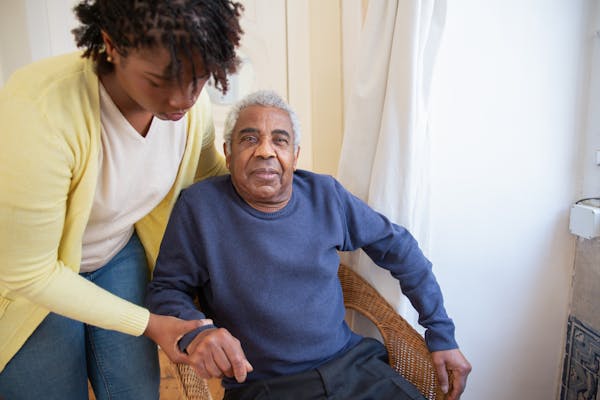
Electronic Visit Verification is a technology-based system that confirms home care visits actually happened — capturing key data points in real time at the point of care. The mandate comes from the 21st Century Cures Act, passed in 2016, which required all states to implement EVV for Medicaid-funded personal care services and home health care services.
The federal government's core motivation was simple: reduce fraud, waste, and abuse in Medicaid home care spending. Before EVV, it was alarmingly easy for bad actors to bill for visits that never occurred. Studies estimate that improper payments in Medicaid home care cost taxpayers billions of dollars annually. EVV was the legislative answer to that problem.
For legitimate agencies — which is the vast majority — EVV serves another purpose: it creates a verifiable, timestamped record of every visit that protects you during audits and disputes.
The Six Core Data Points Every EVV System Must Capture

Regardless of which state your agency operates in, federal law requires EVV systems to capture six specific data elements for every visit:
- Type of service performed — What care was delivered (personal care, skilled nursing, etc.)
- Individual receiving the service — The specific client/patient being served
- Date of the service — The exact date the visit took place
- Location of the service — Where care was delivered (typically the client's home)
- Individual providing the service — The specific caregiver who performed the visit
- Time the service begins and ends — Precise clock-in and clock-out times
Any EVV system you use — whether it's state-provided, a third-party platform, or built into your home care software — must capture all six of these elements for every single Medicaid-funded visit. Missing even one data point on a claim can trigger a denial or a compliance flag.
Where Things Stand in 2026: The Enforcement Landscape
Personal Care Services (PCS)
The federal deadline for EVV implementation on personal care services was January 1, 2020. By 2026, this is ancient history from a regulatory standpoint. Every state should have a fully operational EVV program for PCS, and agencies that still aren't compliant face serious consequences, including claim holds and potential termination from Medicaid programs.
Home Health Services (HHS)
The federal deadline for home health services was January 1, 2023. While some states received extensions, the overwhelming majority have moved into active enforcement mode. In 2026, agencies providing Medicaid-funded skilled nursing, physical therapy, occupational therapy, or other home health services need to be fully EVV-compliant — no exceptions.
State-Level Variation: Why You Need to Know Your State's Rules
Here's what trips up a lot of agency owners: federal law sets the floor, but states build the house. Each state has its own:
- Preferred or mandated EVV system (some states require agencies to use a state-provided platform)
- Data aggregator or clearinghouse requirements
- Specific data submission formats and timelines
- Tolerance thresholds for manual entries and exceptions
- Penalty structures for non-compliance
- Rules around GPS versus alternative verification methods
For example, some states — like Texas and Florida — have moved to a specific state EVV system that all Medicaid providers must use or integrate with. Others allow agencies to use an "open model" where any compliant third-party system can be used, provided the data is submitted correctly. If you operate in multiple states, you may need to navigate multiple sets of requirements simultaneously.
Action Item: If you haven't already, contact your state Medicaid office or check your state's Medicaid provider portal to confirm the specific EVV requirements and submission protocols for 2026. Requirements can and do change, and staying current is your responsibility as a provider.
Common EVV Compliance Mistakes Agencies Make (And How to Avoid Them)
1. Excessive Manual Entries
Manual entries — where a visit is logged after the fact rather than verified electronically in real time — are one of the biggest red flags in EVV compliance. While every system allows for manual entries in legitimate situations (a client's phone died, connectivity issues in a rural area, etc.), high rates of manual entries signal potential fraud to Medicaid auditors.
Most states have set tolerance thresholds, often in the range of 10-20%, above which your agency may be flagged for review. Track your manual entry rates closely and investigate patterns.
2. GPS Location Mismatches
If your EVV system uses GPS verification and a caregiver clocks in from a location that doesn't match the client's address, that's a compliance exception. Common causes include caregivers clocking in before they arrive, GPS accuracy issues in certain areas, and clients who have temporarily relocated (staying with family, in a rehab facility, etc.). Each exception needs to be documented with a clear explanation.
3. Incomplete Service Records
Forgetting to capture all six required data elements — even if just one is missing — creates a non-compliant visit record. Make sure your system prompts caregivers to complete all required fields before a visit can be submitted.
4. Inadequate Caregiver Training
Your EVV system is only as good as the people using it. If caregivers don't understand how to properly clock in and out, what to do in exception situations, or why it matters, compliance will suffer. Regular, documented training is essential — and it protects you if you're ever audited.
5. Not Reconciling EVV Data with Claims
Your billing claims must match your EVV data. If you submit a claim for a four-hour visit but your EVV records show the caregiver was on-site for three hours and twenty minutes, that discrepancy can trigger a denial or an audit. Build a reconciliation process into your billing workflow before claims go out the door.
What Happens When You're Not Compliant?
The consequences of EVV non-compliance have grown significantly more serious as enforcement has matured. Here's what agencies are facing in 2026:
- Claim denials: Visits without valid EVV records are increasingly being automatically denied by state Medicaid systems.
- Payment recoupment: If previously paid claims are found to lack valid EVV data during an audit, states can demand repayment — sometimes covering months or years of claims.
- Corrective Action Plans (CAPs): Agencies with patterns of non-compliance may be required to implement formal corrective action plans under state oversight.
- Provider termination: In cases of egregious or persistent non-compliance, states have the authority to terminate a provider's Medicaid agreement entirely.
- Federal financial penalties on states: States that fail to meet federal EVV compliance benchmarks face a reduction in their Federal Medical Assistance Percentage (FMAP). This creates significant pressure on state Medicaid programs to enforce compliance strictly — which means the pressure flows directly down to providers.
Building a Culture of EVV Compliance at Your Agency
Compliance isn't a technology problem — it's a people and process problem. The right software makes compliance easier, but it doesn't run itself. Here's how to build a culture where EVV compliance is just part of how your agency operates:
Make Compliance Part of Onboarding
Every new caregiver should receive EVV training before their first shift. Explain not just how to use the system, but why it matters — for the agency, for their employment, and for the clients they serve. When caregivers understand the stakes, adoption rates improve significantly.
Designate a Compliance Champion
Whether it's your office manager, a billing coordinator, or a dedicated compliance officer, someone at your agency needs to own EVV compliance. This person monitors exception reports, identifies patterns, follows up on incomplete records, and stays current on state requirements.
Run Weekly Exception Reports
Don't wait until you're billing to discover compliance problems. Pull EVV exception reports weekly, identify recurring issues, and address them before they become claims denials or audit triggers.
Document Everything
When exceptions happen — and they will — document the reason clearly and contemporaneously. A well-documented exception is far less likely to cause problems during an audit than an unexplained anomaly.
Choosing the Right EVV Technology for Your Agency
If your current system is making EVV compliance harder than it needs to be — if caregivers are constantly calling the office because they can't figure out how to clock in, or if you're manually reconciling EVV records with your billing system — it's worth evaluating your options.
The best EVV solutions in 2026 are fully integrated with scheduling, billing, and care management — so data flows automatically from the point of care through to your claims without manual re-entry or reconciliation. They also offer real-time exception alerts, so you know immediately when something doesn't look right rather than discovering it at billing time.
Platforms like BridgeCare OS build EVV directly into the broader care management workflow, so caregivers clock in and out through the same app they use to view their schedules and document care notes. The data is automatically captured, formatted, and reconciled — reducing both the administrative burden on your staff and the risk of compliance gaps.
Key Questions to Ask About Your Current EVV Setup
- Does your system capture all six federally required data elements for every visit?
- Is your EVV data being submitted to your state's aggregator in the correct format and on time?
- What is your manual entry rate, and is it within your state's tolerance threshold?
- Are your EVV records automatically reconciled with your billing claims before submission?
- Do you have a documented exception management process?
- Are your caregivers trained on EVV procedures, and is that training documented?
- Do you have a designated person who monitors compliance and stays current on state requirements?
If you can't confidently answer "yes" to all of these, you have work to do — and 2026 is the year to do it.
Conclusion: Compliance Is Protection
EVV compliance isn't just a regulatory checkbox — it's a financial protection strategy for your agency. Every compliant visit record is a defensible claim. Every well-documented exception is a piece of evidence that your agency operates with integrity. And every hour your team spends getting EVV right is an investment in the long-term stability of your business.
The agencies that thrive in the Medicaid home care space in 2026 and beyond will be the ones that treat compliance as a core operational priority — not an afterthought. With the right processes, the right training, and the right technology, EVV compliance is entirely manageable.
If you're looking for a modern, affordable platform that makes EVV compliance straightforward without a mountain of complexity, start a free 14-day trial with BridgeCare OS and see how integrated EVV can simplify your operations from day one.
Keep Reading
Everything Home Care Agencies Need to Know About EVV Compliance in 2026
A complete guide to EVV compliance in 2026 for home care agencies — requirements, deadlines, penalties, and how to stay audit-ready year-round.
21st Century Cures Act EVV: What Home Care Agencies Must Know to Stay Compliant
Learn how the 21st Century Cures Act changed EVV requirements and what your home care agency must do right now to stay compliant and avoid penalties.
HIPAA Compliance Checklist for Home Care Agencies (2024 Guide)
A practical HIPAA compliance checklist for home care agencies. Protect client data, avoid costly fines, and build trust with this step-by-step guide.
Keep Reading
Everything Home Care Agencies Need to Know About EVV Compliance in 2026
A complete guide to EVV compliance in 2026 for home care agencies — requirements, deadlines, penalties, and how to stay audit-ready year-round.
21st Century Cures Act EVV: What Home Care Agencies Must Know to Stay Compliant
Learn how the 21st Century Cures Act changed EVV requirements and what your home care agency must do right now to stay compliant and avoid penalties.
HIPAA Compliance Checklist for Home Care Agencies (2024 Guide)
A practical HIPAA compliance checklist for home care agencies. Protect client data, avoid costly fines, and build trust with this step-by-step guide.
Ready to modernize your home care agency?
BridgeCare OS unites scheduling, EVV, billing, and family transparency on one platform. Start your 14-day free trial — no credit card required.
Start Free Trial →