The Retention Crisis Every Home Care Owner Knows Too Well

You spent three weeks recruiting her. Another two weeks onboarding and training her. She passed her background check, aced her orientation, and your clients loved her. Then, four months later, she's gone — lured away by a competitor offering an extra fifty cents an hour.
If that story sounds familiar, you're not alone. The home care industry faces one of the highest employee turnover rates of any sector in the United States, with some estimates placing annual caregiver turnover between 60% and 80%, according to the Home Care Association of America. For agency owners, that's not just an HR headache — it's a direct threat to care quality, client satisfaction, and your bottom line.
The good news? Competitive wages aren't the only weapon in your retention arsenal. A well-designed caregiver rewards program can be just as powerful — and often far more cost-effective — at keeping your best people engaged, motivated, and loyal to your agency for the long haul.
In this post, we'll break down why caregiver recognition matters so much, what an effective rewards program looks like, and how to build one that actually works for your agency — whether you have 10 caregivers or 500.
Why Caregivers Really Leave (It's Not Always About the Money)
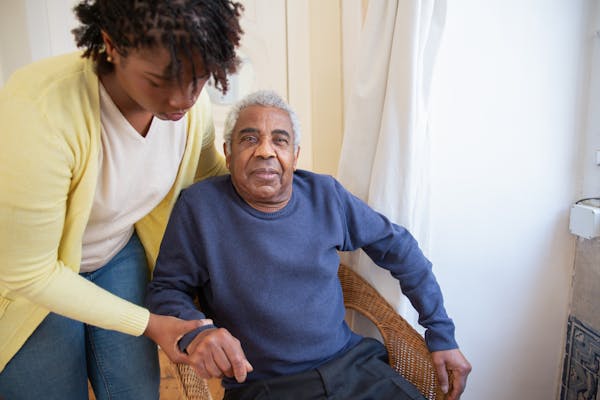
Before you can solve a turnover problem, you need to understand its root causes. Salary matters, of course — but research consistently shows that money is rarely the only reason employees quit. A Gallup study found that 52% of voluntarily departing employees say their manager or organization could have done something to prevent them from leaving.
When it comes to home care specifically, the reasons caregivers walk out the door often include:
- Feeling invisible and undervalued — Many caregivers work in isolation, going from client to client with little interaction with their agency or supervisors
- Lack of recognition for hard work — Doing emotionally demanding work day after day without acknowledgment is exhausting
- Limited career growth opportunities — Caregivers who see no path forward are more likely to look elsewhere
- Poor communication from the agency — Feeling like a number rather than a person breeds resentment quickly
- Burnout and emotional fatigue — The nature of caregiving takes a profound toll without adequate support
Notice anything? Most of those reasons are about how caregivers feel — not what they earn. That's where a thoughtful employee recognition and rewards program can change everything.
The Business Case for Caregiver Recognition Programs

Let's talk numbers, because recognition programs aren't just feel-good initiatives — they're smart business strategy.
According to SHRM (Society for Human Resource Management), replacing a single employee costs approximately 50% to 200% of that employee's annual salary when you factor in recruiting, onboarding, training, and lost productivity. In home care, where margins are already tight, that adds up fast.
Now consider this: a study by Deloitte found that organizations with strong employee recognition programs have 31% lower voluntary turnover than those without. And Gallup reports that employees who feel their work is recognized are 4.6 times more likely to do their best work.
Investing a few hundred dollars a month in a caregiver rewards program could easily save you thousands in recruitment and retraining costs — while simultaneously improving client outcomes, since stable caregiver-client relationships consistently lead to better care.
What an Effective Caregiver Rewards Program Looks Like
Not all recognition programs are created equal. A dusty "Employee of the Month" plaque in the break room isn't going to move the needle. Here's what actually works:
1. Make Recognition Timely and Specific
Generic praise feels hollow. When you recognize a caregiver, be specific about what they did and why it mattered. "Great job this week" lands very differently than "Mrs. Johnson's daughter called to tell us you went above and beyond when her mom was having a rough day — that kind of compassion is exactly why our clients trust us."
Timeliness matters too. Recognition delivered weeks after the fact loses much of its impact. Aim to acknowledge great work within 24 to 48 hours whenever possible.
2. Build a Points-Based Rewards System
Points-based programs are among the most effective tools for sustained caregiver engagement. Caregivers earn points for specific behaviors and milestones you want to reinforce, then redeem them for meaningful rewards. Consider awarding points for:
- Perfect attendance or punctuality
- Positive client or family feedback
- Completing additional training or certifications
- Referring new caregivers or clients to the agency
- Tenure milestones (30 days, 90 days, 6 months, 1 year, etc.)
- Going above and beyond in documented ways
Platforms like BridgeCare OS include built-in caregiver rewards features that let you automate point tracking and recognition — so nothing falls through the cracks even when you're juggling a hundred other things as an agency owner.
3. Offer Rewards That Actually Matter to Caregivers
The best reward is one the recipient actually wants. Survey your caregivers to find out what motivates them. Common high-value rewards include:
- Gift cards (gas, groceries, and Amazon tend to be universally appreciated)
- Extra paid time off
- Flexible scheduling privileges
- Cash bonuses
- Access to professional development and certifications
- Public recognition in team communications or on social media (with permission)
- Small but meaningful perks like branded merchandise or care packages
4. Create Peer-to-Peer Recognition Opportunities
Recognition doesn't have to flow only from the top down. Peer-to-peer recognition — where caregivers can acknowledge each other's great work — builds team culture and a sense of community, even among a distributed workforce. A simple monthly "shout-out" system in your team communication channel can go a long way.
5. Celebrate Career Milestones
Tenure recognition is one of the most underutilized tools in home care retention. When a caregiver hits their one-year mark, three-year mark, or five-year mark, make it a moment. A personal card from leadership, a small gift, or even a social media celebration signals that you notice — and that loyalty is valued at your agency.
Building a Recognition Culture, Not Just a Recognition Program
Here's a distinction that separates agencies with strong retention from those that struggle: the difference between a program and a culture.
A program is something you launch. A culture is something you live every day. You can implement the most sophisticated points-based rewards system in the industry, but if your schedulers are dismissive on the phone, if caregivers can't reach anyone when they have a problem, or if feedback is only given when something goes wrong — the program won't save you.
Building a true recognition culture means:
- Training your supervisors and coordinators to give regular, meaningful feedback
- Creating channels for two-way communication — so caregivers feel heard, not just managed
- Being transparent about agency goals, changes, and challenges
- Asking for caregiver input on scheduling preferences, client assignments, and agency policies
- Following through on commitments — nothing destroys morale faster than promised rewards that never materialize
"Employees who feel valued don't just stay longer — they become ambassadors for your agency, referring quality caregivers and speaking positively about your organization in the communities you serve."
How to Get Started: A Practical Roadmap for Agency Owners
You don't need a massive budget or an HR department to launch a meaningful caregiver rewards program. Here's a simple framework to get started:
- Audit your current situation. Calculate your current turnover rate. Identify your average cost per hire. Survey your caregivers about what makes them feel valued — or doesn't.
- Define the behaviors you want to reward. Be intentional. Tie your rewards to outcomes that matter to your agency: attendance, client satisfaction, safety, and referrals.
- Set a realistic budget. Even $500 to $1,000 per month allocated to recognition can make a measurable difference for a mid-sized agency. Think of it as retention insurance.
- Choose your tools. Whether it's a dedicated HR platform or a home care operating system with built-in rewards tracking, having the right technology makes consistent recognition scalable.
- Launch with intention. Communicate the program clearly to all staff. Explain how points are earned and redeemed. Build excitement around it from day one.
- Measure and refine. Track your turnover rate at 3, 6, and 12 months after launch. Survey caregivers periodically. Adjust rewards and criteria based on what's working.
The Ripple Effect on Client Care and Agency Growth
Caregiver retention isn't just an internal HR win — it has a direct and measurable impact on the quality of care your clients receive. When the same caregiver shows up consistently for a client, trust builds. Routines are established. Changes in a client's condition are noticed earlier. Family members feel more confident. Client satisfaction scores improve.
And satisfied clients? They refer new clients. They leave positive reviews. They become the foundation of sustainable agency growth.
Agencies that invest in employee recognition for home care workers create a virtuous cycle: caregivers feel valued → they stay longer → clients receive better, more consistent care → clients and families become advocates for your agency → your reputation grows and referrals increase.
That's not a soft benefit. That's a competitive advantage.
Conclusion: Recognition Is an Investment, Not an Expense
The home care industry isn't getting any less competitive when it comes to recruiting and retaining talented caregivers. Agencies that treat recognition as a nice-to-have will continue to struggle with the revolving door. Agencies that make it a strategic priority will build the kind of loyal, motivated teams that clients trust and competitors envy.
Start small if you have to. Recognize one caregiver this week. Build a simple point system next month. Celebrate your first one-year anniversary with someone who's earned it. The momentum will follow.
If you're looking for a platform that makes caregiver recognition easy to implement and manage alongside your scheduling, billing, and compliance tools, explore BridgeCare OS with a free 14-day trial — no setup fees, no contracts, and no reason not to start building the agency culture your caregivers deserve.
Keep Reading
Caregiver Rewards Programs: How to Reduce Turnover and Boost Morale in Your Home Care Agency
Discover how caregiver rewards programs reduce turnover, boost morale, and help home care agencies retain top talent with proven strategies.
Caregiver Rewards Programs: How Employee Recognition Reduces Turnover in Home Care
Discover how a caregiver rewards program reduces turnover, boosts morale, and helps home care agencies retain top talent with proven strategies.
Caregiver Rewards Programs: How to Reduce Turnover and Boost Morale in Your Home Care Agency
Discover how caregiver rewards programs reduce turnover, boost morale, and help home care agencies retain top talent with proven recognition strategies.
Keep Reading
Caregiver Rewards Programs: How to Reduce Turnover and Boost Morale in Your Home Care Agency
Discover how caregiver rewards programs reduce turnover, boost morale, and help home care agencies retain top talent with proven strategies.
Caregiver Rewards Programs: How Employee Recognition Reduces Turnover in Home Care
Discover how a caregiver rewards program reduces turnover, boosts morale, and helps home care agencies retain top talent with proven strategies.
Caregiver Rewards Programs: How to Reduce Turnover and Boost Morale in Your Home Care Agency
Discover how caregiver rewards programs reduce turnover, boost morale, and help home care agencies retain top talent with proven recognition strategies.
Ready to modernize your home care agency?
BridgeCare OS unites scheduling, EVV, billing, and family transparency on one platform. Start your 14-day free trial — no credit card required.
Start Free Trial →