Ask any home care agency owner what slows growth the most, and billing issues will usually make the list. Manual invoicing, late payments, missed claims, and back-and-forth with families can eat up hours every week. Even worse, a small billing mistake can delay cash flow, frustrate clients, and create a pile of rework for your office team.
That is why more agencies are turning to automation. Automating home care invoicing and payment processing is no longer just a convenience—it is becoming a competitive advantage. The right system can help you bill faster, collect payments more reliably, and reduce the administrative load on your team.
In this article, we will break down how automation works in home care billing, the biggest benefits for agencies, and the steps you can take to improve your billing process without overwhelming your staff.
Why billing is such a pain point for home care agencies

Home care billing is more complex than many agency owners expect when they first start out. You are often dealing with multiple payers, different service rates, caregiver schedules that change frequently, and families who may need clear invoices and flexible payment options.
According to industry research, U.S. businesses lose significant revenue each year to poor invoicing practices, late payments, and administrative errors. In home care, those issues can be amplified because billing is tied directly to care delivery, EVV data, authorizations, and scheduling accuracy.
Common billing challenges include:
- Manually entering visit data into invoices
- Tracking private pay and insurance billing separately
- Chasing down late or partial payments
- Correcting invoice errors after they are sent
- Matching caregiver visits to approved schedules
- Keeping families informed about balances due
When billing depends on spreadsheets, paper notes, or disconnected systems, mistakes become more likely. Automation helps reduce those risks by connecting scheduling, visit verification, invoicing, and payment collection in one workflow.
What automation means for home care invoicing

Automated home care invoicing means the system generates invoices based on verified service data rather than someone manually building each bill line by line. The best systems pull information from scheduling and EVV records, apply the correct rates, and produce accurate invoices with minimal office intervention.
In practice, this can include:
- Automatic invoice creation after a visit is completed and verified
- Recurring billing for ongoing private pay clients
- Custom rate rules for different services, clients, or shifts
- Invoice generation based on hours worked, mileage, or service type
- Automated reminders for outstanding balances
Instead of spending hours reconciling schedules and visit logs, your team can focus on exceptions—like missed visits, rate changes, or disputed charges. That shift alone can dramatically improve productivity.
How payment processing home care agencies can automate collections

Payment processing in home care is often where the bottleneck becomes visible. Families may prefer credit cards, ACH transfers, or online payments, but if you rely on checks or manual invoicing, your cash flow can slow down quickly.
Automated payment processing allows agencies to collect money through secure digital channels and reduce the follow-up work involved in accounts receivable. With the right setup, families can pay invoices online, enroll in autopay, and receive reminders before balances become overdue.
Common payment automation features
- Online payment links on invoices
- Autopay for recurring private pay clients
- ACH and credit card processing
- Automatic payment confirmations and receipts
- Past-due reminders sent by email or text
- Family portal access to invoices and payment history
This is especially valuable in private duty home care, where families often want a simple, transparent way to manage invoices. A smooth digital payment experience can improve satisfaction while helping your agency get paid faster.
The real benefits of automating billing and payments
Automation is not just about saving time. It can improve nearly every part of your billing process, from accuracy to customer experience to financial stability.
1. Faster cash flow
The faster you send invoices and collect payments, the healthier your cash flow. Automated billing reduces delays between service delivery and invoicing, while digital payment processing helps families pay sooner.
2. Fewer billing errors
Manual invoicing creates opportunities for missed hours, wrong rates, duplicate charges, or forgotten adjustments. Automation uses the data already captured in your system, which helps reduce costly mistakes.
3. Less administrative burnout
Billing teams often spend too much time on repetitive tasks. By automating invoice creation and payment reminders, you free up staff to handle higher-value work like exception management, client communication, and collections follow-up.
4. Better family experience
Families appreciate clear invoices, simple payment options, and easy access to account information. A clean, professional billing experience builds trust and reduces confusion.
5. Stronger reporting
When invoicing and payments are connected in one system, it becomes easier to track revenue, outstanding balances, and collection trends. That gives agency owners better visibility into their business health.
“Billing automation is not about replacing people. It is about removing repetitive work so your team can focus on revenue, service quality, and client relationships.”
What to automate first in your home care billing process
If your agency is still doing most billing tasks manually, do not try to automate everything at once. Start with the biggest pain points and build from there.
1. Invoice generation
This is usually the best place to start. If your system can generate invoices based on completed visits and approved schedules, you will immediately reduce admin time and billing errors.
2. Payment reminders
Automated reminders help reduce late payments without requiring your staff to make repeated phone calls. A sequence of reminders before and after due dates can improve collection rates.
3. Recurring billing
For private pay clients, recurring invoicing can save time and create consistency. It also helps families anticipate charges and stay current.
4. Online payment collection
Make it easy for families to pay with ACH or card payments through secure online links or a family portal. The easier you make payment, the faster you are likely to get paid.
5. Payment reconciliation
Link payments to invoices automatically so your bookkeeping stays accurate. This reduces confusion when reviewing unpaid balances or preparing reports.
How to choose the right billing automation system
Not all software is built for home care. Some tools handle invoicing generally, but home care agencies need a platform that understands schedules, EVV, service authorizations, and payer complexity.
When evaluating software, look for the following:
- Integration between scheduling, EVV, and invoicing
- Flexible billing rules for different service types
- Private pay and payer billing support
- Secure payment processing options
- Family portal access
- HIPAA-aware design and secure data handling
- Clear reporting on revenue and collections
- Ease of use for non-technical office staff
You should also consider implementation time, support quality, and total cost. Some legacy platforms are powerful but expensive and difficult to configure. Modern systems like BridgeCare OS are designed to give agencies a more affordable, streamlined way to manage scheduling, billing, EVV, and payment workflows in one place.
Practical tips to improve payment processing home care agencies rely on
Even with software in place, your billing outcomes depend on the process you build around it. Here are a few practical ways to improve collections and reduce friction.
- Set payment expectations early. Explain billing cycles, due dates, and payment methods during onboarding.
- Offer multiple payment options. ACH, cards, and autopay can significantly improve on-time payments.
- Send invoices quickly. The sooner invoices go out, the sooner families can review and pay them.
- Use a family portal. Giving families one place to view invoices and make payments reduces confusion.
- Track outstanding balances weekly. Do not wait until month-end to review overdue accounts.
- Train staff on exception handling. Automation works best when your team knows how to resolve billing issues quickly.
Small improvements in each area can add up to a meaningful improvement in revenue cycle performance.
How automation supports growth without adding headcount
One of the biggest advantages of billing automation is that it helps agencies grow without proportionally increasing office staff. If every new client requires more manual invoicing and follow-up, growth can quickly become overwhelming.
By automating home care invoicing and payment processing, your agency can handle more clients with the same team. That means you can scale operations more efficiently and protect margins as your census grows.
This is especially important in today’s market, where staffing shortages and rising costs are putting pressure on home care businesses. Agencies that streamline back-office work are better positioned to stay profitable and competitive.
Where BridgeCare OS fits into the billing workflow
BridgeCare OS brings scheduling, EVV, billing, family communication, and reporting into one modern system, which can help reduce the gaps that often cause billing delays. Because invoices can be tied more directly to care activity, your office team spends less time chasing information and more time managing exceptions.
If your agency is looking for a simpler way to manage home care invoicing and payment processing home care clients can trust, a connected platform can make a major difference. BridgeCare OS also offers a 14-day free trial, no setup fees, and no contracts, making it easier to test a better workflow without a long-term commitment. You can learn more or get started at https://app.bridgecareos.com/register.
Conclusion: simplify billing, strengthen your agency
Automating invoicing and payment processing is one of the smartest moves a home care agency can make. It reduces billing errors, speeds up collections, improves the family experience, and gives your team time back for more important work.
If your current process feels too manual, start by automating the highest-friction steps first: invoice generation, reminders, and online payment collection. From there, build a billing workflow that supports growth instead of slowing it down.
When you are ready for a more connected approach, BridgeCare OS can help you simplify billing and strengthen your agency’s financial operations.
Keep Reading

Home Care Invoicing & Payment Processing: The Complete Automation Guide
Learn how automating home care invoicing and payment processing saves time, reduces errors, and gets your agency paid faster. Practical tips inside.

Medicaid EDI Billing for Home Care Agencies: A Practical Guide
Learn how Medicaid EDI billing works for home care agencies — from claim formats to common errors and tips to get paid faster.
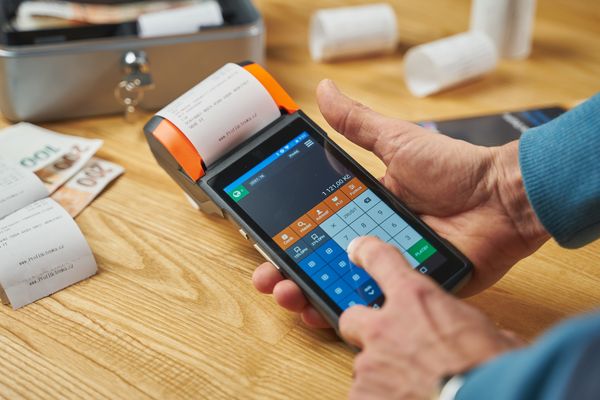
Split Billing in Home Care: Managing Insurance and Private Pay Clients
Learn how to manage split billing between insurance and private pay clients in home care. Practical tips to reduce errors and get paid faster.
Keep Reading
Home Care Invoicing & Payment Processing: The Complete Automation Guide
Learn how automating home care invoicing and payment processing saves time, reduces errors, and gets your agency paid faster. Practical tips inside.
Medicaid EDI Billing for Home Care Agencies: A Practical Guide
Learn how Medicaid EDI billing works for home care agencies — from claim formats to common errors and tips to get paid faster.
Split Billing in Home Care: Managing Insurance and Private Pay Clients
Learn how to manage split billing between insurance and private pay clients in home care. Practical tips to reduce errors and get paid faster.
Keep Reading
Home Care Invoicing & Payment Processing: The Complete Automation Guide
Learn how automating home care invoicing and payment processing saves time, reduces errors, and gets your agency paid faster. Practical tips inside.
Medicaid EDI Billing for Home Care Agencies: A Practical Guide
Learn how Medicaid EDI billing works for home care agencies — from claim formats to common errors and tips to get paid faster.
Split Billing in Home Care: Managing Insurance and Private Pay Clients
Learn how to manage split billing between insurance and private pay clients in home care. Practical tips to reduce errors and get paid faster.
Ready to modernize your home care agency?
BridgeCare OS unites scheduling, EVV, billing, and family transparency on one platform. Start your 14-day free trial — no credit card required.
Start Free Trial →